
As someone interested in sports or physical activity or suffering from injury, pain, or medical condition, you may have come across various braces designed to support and protect different body parts. But with so many options available, it can be confusing to determine which type of brace is best for your needs.
In this article, we’ll discuss the Notable differences between sports braces and medical braces and the specific situations in which each type is most appropriate.
Whether you’re an athlete looking for added support during training and competition, or someone who requires a brace for medical reasons, this information will help you make an informed decision about the best brace for you.
So let’s dive in and explore the differences between sports brace and medical brace!
All about Sports Brace
What’s the sports brace?

A sports brace is a type of supportive device specifically designed for use during athletic activities or other forms of physical exercise.
These braces are typically worn around joints, such as the knee, arm, wrist or ankle. They are intended to provide support and stability to help prevent injury or protect against further damage.
Sports braces can be made from various materials, including foam, plastic, and neoprene, and may be designed to be worn under or over the clothing. They are also made from an elastic material and feature velcro straps and/or belts and buckles to fasten them.
Many sports braces are available, each designed for a specific purpose or body part. Some of the notable ones among them are braces for knee, ankle, wrist, elbow, and shoulder.
Athletes typically use sports braces to help prevent injury during physical activity or provide support and stability to an injured joint while healing. They may also be worn by people with chronic joint conditions, such as osteoarthritis, to help manage pain and improve mobility.
What Are The Advantages Of Sports Brace?

Sports braces can be useful for athletes and others looking to improve their physical performance, prevent injury, and manage pain. There are considerable benefits to using a sports brace, including:
- Injury prevention: A sports brace can help prevent injury during physical activity by providing additional support and stability to a joint.
- Pain management: If you have a chronic joint condition, such as osteoarthritis, a sports brace can help manage pain and improve mobility.
- Improved performance: Some athletes find that wearing a sports brace can help improve their performance by providing added support, strength, and stability to the affected joint.
- Faster recovery: If you have an injury, a sports brace can help speed up the recovery process by providing support, strength and stability to the affected area while it heals. Some sports braces are also made from a specialized kind of fabric that is odor-resistant, helps kill bacteria, improves insulation, and lowers body temperature to enhance fast recovery from injury.
- Customization: Many sports braces are customizable, allowing you to adjust the fit and level of support to meet your specific needs.
- Availability: Sports braces of different kinds, colors, sizes, and quality are readily available at local stores.
- Easy to use: Sports braces usually feature belts, buckles, and/or Velcro straps for easy put-on and put-off.
What Are The Disadvantages Of Sports Brace?

Apart from the advantages, it is also essential to carefully consider the potential disadvantages of using a sports brace before deciding.
Besides, it is essential to follow the recommendations of your healthcare provider or athletic trainer when using a sports brace and to use it as directed to maximize the benefits and minimize potential drawbacks such as:
- Cost: Sports braces can be expensive, especially if you purchase multiple types for different body parts.
- Comfort: Some people find that sports braces are uncomfortable to wear, especially for extended periods. However, they are comparatively more comfortable than medical braces.
- Restriction of movement: Depending on the type and design of the sports brace, it may restrict your range of motion or natural movement to some extent. It can also negatively affect muscle activation patterns and lead to decreased joint awareness (proprioception) and potential muscle atrophy.
- Dependence: The risk of becoming too reliant on a sports brace can lead to weakened muscles and reduced mobility over time.
- Skin irritation: If the sports brace is not properly fitted or made of materials irritating your skin, it may cause discomfort or even irritation.
- Not a treatment: Although a sports brace can assist in curing an injury, it can’t replace rehabilitation.
- Unbalanced load: Although a sports brace can decrease the load on the area where it is worn, it can shift and increase the burden on another body area.
- Unappealing: Sports braces are usually aesthetically unpleasing.
When Should You Use The Sports Brace?
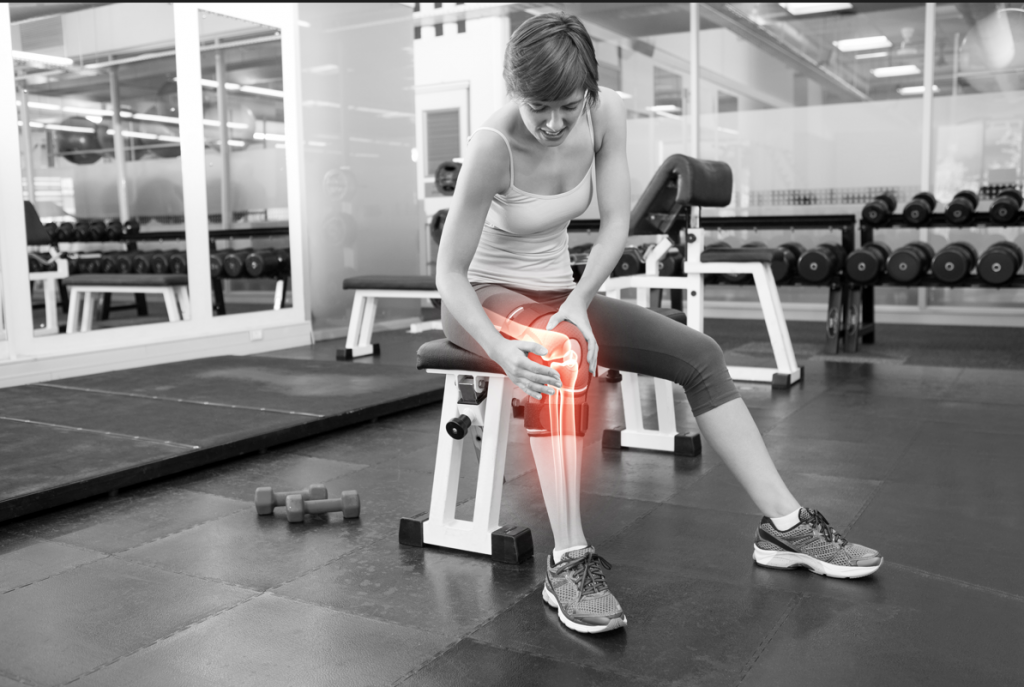
Sports braces are designed to provide support and stability to various body parts during physical activity. They are often used to prevent injuries or to help people recover from injuries that have already occurred. Some common uses of sports braces include:
- Knee braces:
Sports braces can be used on knees to provide support, strength, and stability to the knee joint, which is vulnerable to injury due to its complex structure and the amount of weight it bears during physical activity. They can be used to prevent injuries, such as MCL and ACL tears, or to help people recover from injuries that have already occurred, such as meniscal tears or patellofemoral pain syndrome.
- Ankle braces:
Ankle braces can also provide stability, support, and strength to the ankle joint, which is prone to sprains and other injuries. They can prevent ankle-related injuries or help people recover from injuries that have already occurred, such as ankle sprains or fractures.
- Wrist braces:
The wrist brace can support and stabilize the wrist joint. They can prevent injuries, such as wrist sprains, or help people recover from injuries that have already occurred, such as wrist fractures or carpal tunnel syndrome.
- Shoulder braces:
Shoulder braces can be used to prevent injuries by providing support and stability to the shoulder joint, such as shoulder dislocations, or to help people recover from injuries that have already occurred, such as rotator cuff injuries or shoulder fractures.
- Elbow braces:
Sports braces can also provide support, strength, and stability to the elbow joint, vulnerable to injuries, such as elbow sprains, due to the weight it bears during physical activity. It can also help people recover from injuries that have already occurred, such as elbow fractures or tennis elbow.
All about Medical Brace
What’s the Medical Brace?
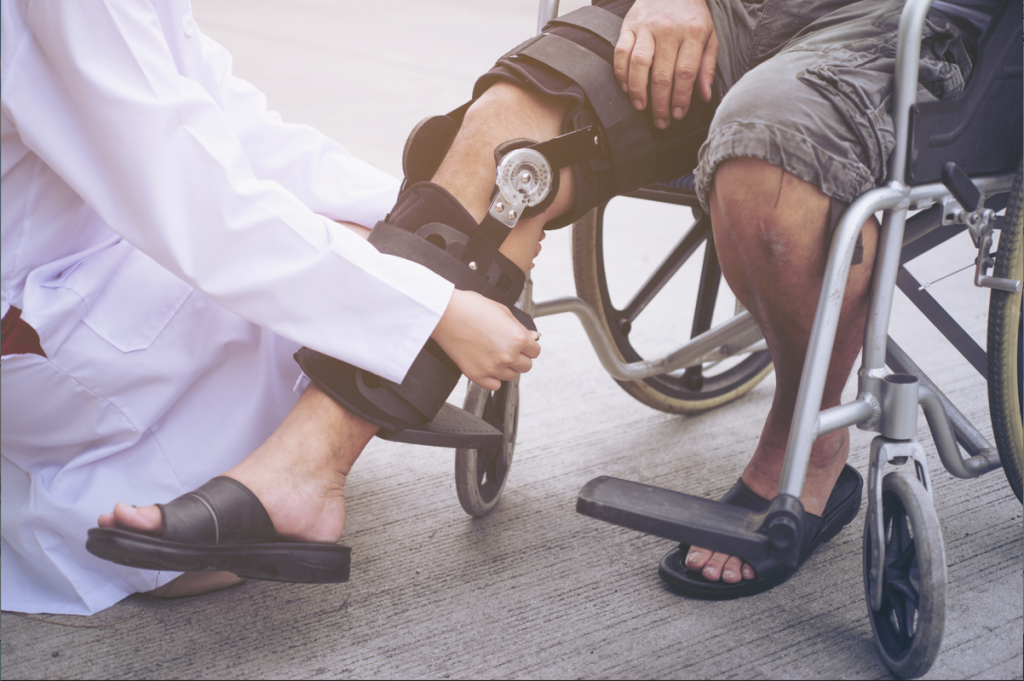
A medical brace, also known as an orthopedic brace, is a type of support, stability, and alignment device used to protect or improve the function of a body part. Braces are commonly used to support weak or injured muscles, joints, and bones. They can also be used to improve posture or to prevent medical conditions from getting worse.
What Are The Advantages Of Medical Brace?
There are several advantages to using a medical brace, including:
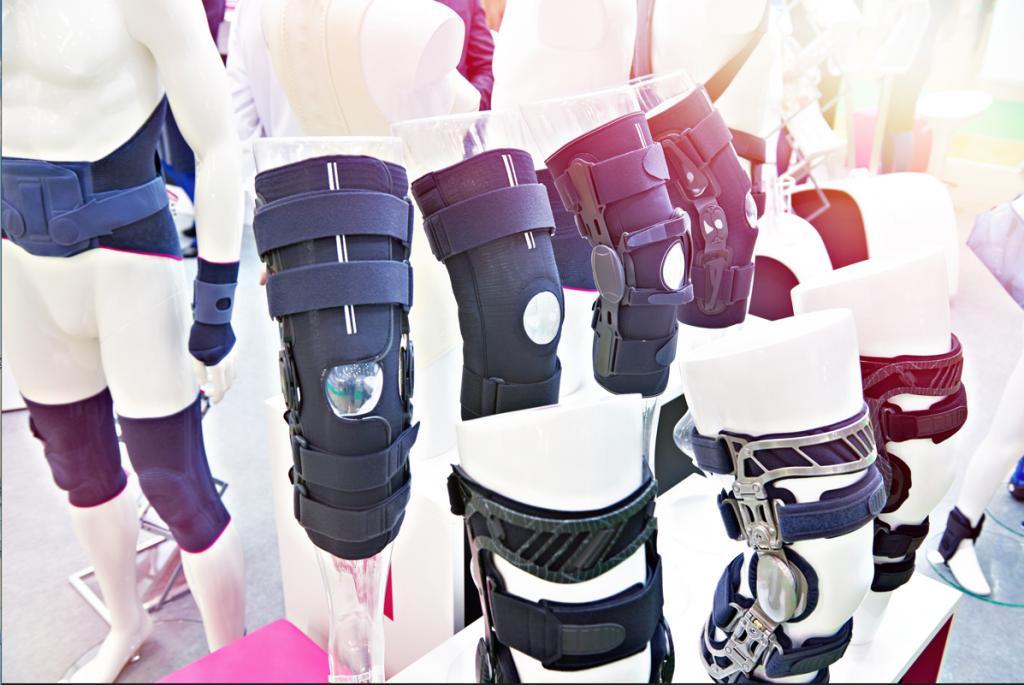
- Pain relief: Medical braces can provide support and stability to the affected area, which can help to reduce pain and discomfort.
- Improved mobility: By supporting the affected area, a medical brace can help to improve mobility and range of motion, allowing people to move more easily and perform their normal daily activities.
- Faster recovery: These braces can help protect the affected area and reduce strain on the surrounding muscles and joints, which can help speed up the healing process after an injury or surgery.
- Prevention of further injury: Medical braces can help to prevent further injury to the affected area by providing support and stability, which can be especially important for people with chronic conditions that affect the musculoskeletal system.
- Improved posture: They can help to improve posture by aligning the body correctly and supporting the affected area, which can help to reduce strain on the surrounding muscles and joints.
- Customization: Many medical braces are customizable, allowing you to adjust the fit and level of support to meet your specific needs. However, the customization level is much lower than a sports brace.
What Are The Disadvantages Of Medical Brace?
- Cost: Medical braces can be expensive, especially if you purchase multiple types for different body parts.
- Dependence: The risk of becoming too reliant on a medical brace can lead to weakened muscles and reduced mobility over time.
- Skin irritation: If the medical brace is not properly fitted or made of materials irritating your skin, it may cause discomfort or even irritation.
- They can be uncomfortable to wear: medical braces can be bulky and cumbersome, making them uncomfortable to wear for extended periods. They can also cause skin irritation or chafing.
- They can be inconvenient: medical braces can be challenging to put on and take off, especially if they have a lot of straps and fastenings. This can be inconvenient, especially if you need to wear the brace frequently.
- They can restrict movement: Medical braces can limit your movement, which can be frustrating if you are used to being active. This can also make it difficult to perform certain activities, such as playing sports or exercising.
- They may not be aesthetically pleasing: Some people may not like the appearance of medical braces, which can be noticeable when worn under clothing.
- They may not be effective for everyone: medical braces may not be effective for everyone, and in some cases, they may not provide the necessary support or relief. In these cases, alternative treatments such as physical therapy or surgery may be required.
The Scope of Application for Medical Brace?
Medical braces support, stabilize, and protect various body parts, including the spine, legs, arms, and wrists. They are often used to treat and heal injuries or conditions such as:
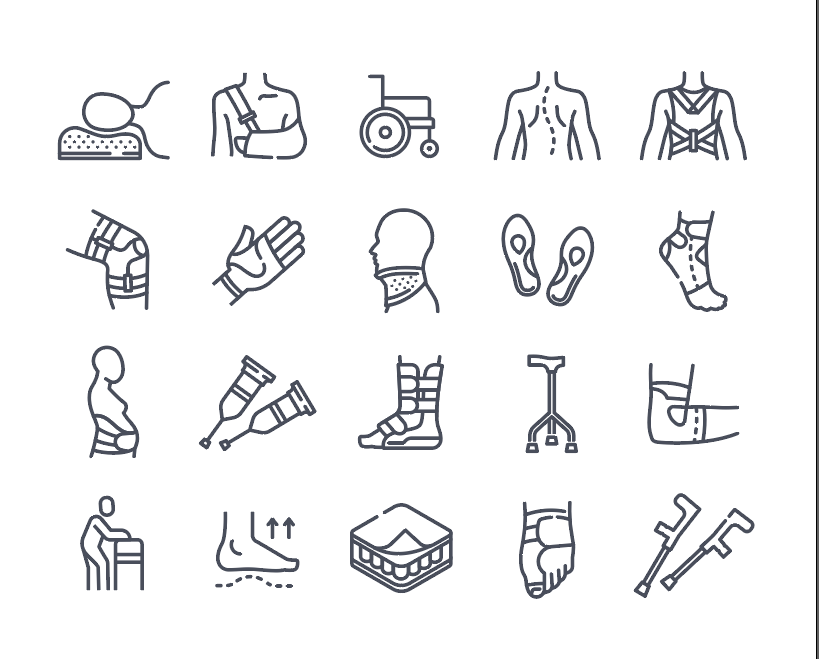
- Sprains and strains: medical braces can support and protect injured muscles, ligaments, and tendons while they heal.
- Fractures: They can be used to stabilize and protect broken bones while they heal.
- Arthritis: They can support and protect joints affected by arthritis, reducing pain and improving mobility.
- Scoliosis: Orthopedic (medical) braces, such as the cervical collar, lumber brace, and back brace, can be used to correct and support the spine in cases of scoliosis, a condition in which the spine is curved abnormally.
- Tendinitis: They can be used to support and protect tendons that are inflamed or damaged due to overuse or injury.
- Carpal Tunnel Syndrome: Arm braces can be used to support and protect the wrist in cases of carpal tunnel syndrome, a condition that causes numbness and tingling in hand due to pressure on the median nerve.
- Tennis Elbow: medical braces can be used to support and protect the elbow in cases of tennis elbow, a condition that causes pain and tenderness outside the elbow.
- Injuries, chronic pain, and various other conditions like Plantar Fasciitis, heel ulcer, Achilles Tendinopathy, ACL, MCL, Meniscus tears, Gamekeeper’s Thumb, De Quervain’s Tenosynovitis, etc. can also be supported, and healed using various kinds of medical braces.
When Should Use The Medical Brace?
Some everyday situations in which a medical brace may be used include:
- After an injury: medical braces can be used to support and protect an injured body part while it heals. For example, a knee brace may stabilize the knee after a sprained ligament, or a wrist brace may support the wrist after a fracture.
- During physical therapy: They may be used during physical therapy to provide additional support and stability while performing exercises or movements.
- For chronic conditions: They may alleviate pain and improve mobility in individuals with chronic conditions such as arthritis or scoliosis.
- To prevent further injury: medical braces may be used to prevent further injury in individuals at risk of re-injury or with a history of injuries.
It is essential to consult a doctor or physical therapist before using an orthopedic brace. They can assess your specific medical brace needs and recommend the appropriate type and use of a brace for your condition.
What Are the Differences Between Sports Brace And Medical Brace?

As we have learned from the aforementioned points, sports braces and medical braces, also known as orthopedic braces, are both designed to provide support and stability to the body’s bones, joints, and muscles. However, there are some critical differences between the two types of braces:
- Purpose: Sports braces are specifically designed for athletic activities or other forms of physical exercise, while medical braces are used to treat or prevent injuries or manage chronic conditions such as arthritis or scoliosis.
- Fit and comfort: Sports braces are generally designed to be worn during physical activity and may be made from materials that are more breathable and comfortable for extended wear. On the other hand, medical braces may be bulkier and less comfortable to wear for long periods.
- Customization: Many sports braces are customizable, allowing you to adjust the fit and level of support to meet your specific needs. Medical braces may be less customizable, as they are often prescribed by a healthcare professional and are designed to provide a particular level of support.
- Coverage: Sports braces are typically worn around specific joints, such as the knee, ankle, or wrist, while medical braces may cover a larger body area, such as the back or torso.
Conclusion
Overall, it is vital to consider the specific needs and goals of your physical activity or medical treatment when deciding between a sports brace and a medical brace. A healthcare professional can help you determine the best type of brace for your needs.