
The orthopedic brace industry is expected to grow in the coming years as the global population ages.
Specifically, its market is expected to grow at a CAGR of 6.5% during the forecast period (2022-2030).
The market is driven by the growing number of orthopedic surgeries, the increasing incidence of sports injuries, and the rising aging population.
So, if you want to take advantage of this flourishing product and import orthopedic braces from China, this guide is just for you!
The process can initially seem daunting, but it can be a smooth and successful endeavor with the right information and resources.
In this guide, we’ll walk you through the steps of how to import orthopedic braces from China, including sourcing manufacturers, navigating customs, and managing logistics.
We’ll also provide tips and considerations for ensuring quality control and compliance.
By the end of this guide, you’ll have a comprehensive understanding of how to import orthopedic braces from China and be well on your way to expanding your business.
Step 1: Find The Best Places to import Orthopedic Brace from China
There are several ways to find the best manufacturers to import orthopedic braces from China, some of which are as under:
· Use Google to Look For Manufacturers

You can use search engines like Google, Yahoo, or Bing to find reliable brace suppliers in China. Start by searching for relevant keywords, such as “orthopedic braces manufacturers in China” or “China orthopedic braces supplier.”
Check the first results page for reputable sources, such as online directories, trade associations, and industry websites. These sources can provide a list of manufacturers that produce orthopedic braces in China.
You can also find the official websites of the manufacturers that you are interested in and review their products and services.
· B2B Trade Websites For Manufacturers
Online directories: Websites like Alibaba, Global Sources, and Made-in-China provide directories of manufacturers in China that produce a wide range of products, including orthopedic braces. These directories allow you to search for manufacturers based on specific criteria, such as location, product type, and production capacity.

Sourcing platforms: Sourcing platforms like Sourcify and Source Finders connect businesses with manufacturers in China and other countries. These platforms can help you find manufacturers that meet your specific orthopedic braces needs and requirements.
· Use Exhibitions and Trade Shows to Look For Manufacturers
Trade shows and exhibitions in China and other countries are a great way to connect with manufacturers and see their products in person. Look for trade shows that focus on medical devices or orthopedic products.
· Social Media
Many manufacturers have a presence on social media, and by doing a little research, you can find the ones that are the best fit for your needs.
LinkedIn and Twitter are excellent platforms to research manufacturers, as you can connect with them directly and learn more about their business.

Once you’ve found a few orthopedic brace manufacturers that you’re interested in, reach out to them and see if they’re able to provide you with the products you need.
· Sourcing agents
Sourcing agents specialize in finding and vetting manufacturers in China on behalf of businesses. They can save you time and effort by doing the legwork for you and providing recommendations based on your needs.
All the sources above will help find dozens of Chinese orthopedic brace manufacturers. You must write their names, web addresses, and contact details in one place to form a list.
Step 2: Communicate With Manufacturers

Once you have a list of potential manufacturers, reach out to them to request quotes for the orthopedic braces you want to import.
But before contacting them, you must prepare a list of questions you need to ask.
The question can be related to the manufacturer’s experience, existing clients, product portfolio, location, warranty, certifications, etc.
Besides, you can also ask about their product’s quality, production capacity, safety, features, specifications, etc.
After you have done your homework, reach out. Be sure to provide detailed specifications and any other relevant information to help the manufacturer give you an accurate quote.
Things to Avoid When Contacting A Manufacturer
When contacting an orthopedic braces manufacturer in China, there are a few things you should avoid to ensure a smooth and successful process:

- Being vague or unclear about your needs: It’s essential to provide the manufacturer with clear and specific information about the orthopedic braces you want to import. This includes details such as size, material, and quantity. The manufacturer will likely provide an accurate quote or delivery timeline with this information.
- Neglecting to research the manufacturer: Do your due diligence and research the manufacturer before contacting them. Look for reviews and testimonials from other customers, and check their website for information about their products and services. This will help you better understand the manufacturer’s reputation and capabilities.
- Failing to ask about minimum order quantities: Many manufacturers have minimum order quantities (MOQs) for their products. Be sure to ask about the MOQ for the orthopedic braces you want to import, as this can impact the price and delivery timeline.
- Skipping the contract: It’s essential to have a written contract with the manufacturer to outline the terms of your agreement. Be sure to include details such as pricing, payment terms, and delivery schedules in the contract to protect your interests.
By avoiding these mistakes, you can ensure a smooth and successful process when contacting an orthopedic braces manufacturer in China.
Step 3: Visit Orthopedic Brace Companies
When you buy an orthopedic brace, it’s vital to know where it came from and how it was made. The best way to learn about this is to visit the factory of the orthopedic brace manufacturing company.
· Take A Product Display Site Tour
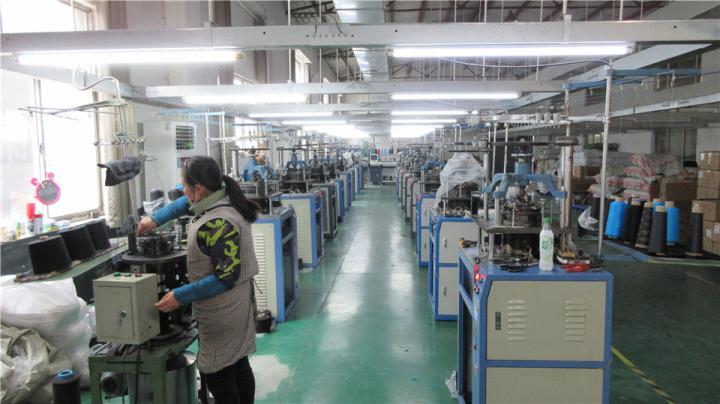
During the visit, you must see all the products they manufacture and have real-time experience with them. See if their product meets your requirement and complies with international safety and quality standards.
· Visit Production Lines
Apart from looking at their product samples, you should also visit their production lines. It allows you to see firsthand how the product is made and to meet the people who make it.
· What You’ll Gain From Taking On-Site Visits
Taking a product display site tour and visiting production lines when visiting the factories of orthopedic brace companies is beneficial for several reasons:
- Quality control: Seeing the production process firsthand ensures that the manufacturer follows good manufacturing practices and produces high-quality orthopedic braces. You can observe the materials, equipment, and processes and ask questions about quality control measures.
- Customization: If you have specific requirements for your orthopedic braces, such as custom sizes or materials, seeing the production process can help you understand how the manufacturer can accommodate your needs.
- Capacity: Visiting the production lines can give you a sense of the manufacturer’s capacity and how quickly they can produce the orthopedic braces you need. This can help you plan your order quantities and delivery schedules.
- Relationship building: Visiting the factory can also help you build a relationship with the manufacturer, which can benefit future orders and collaborations.
Step 4: Consider The Following Before Importing Orthopedic Brace
After the detailed interviews with the multiple orthopedic braces manufacturers and visiting their manufacturing facilities, you must be overwhelmed with information.
Using the information, it is time to compare these manufacturers based on the following criteria:

- Quality: It should be a top priority when selecting an orthopedic braces supplier. Look for manufacturers that use high-quality materials and follow good manufacturing practices. Consider requesting samples of their products and asking for certifications such as ISO 9001.
- Price: While price is an important consideration, it’s important to balance orthopedic braces’ cost with quality. Only be tempted to go with the cheapest supplier if they can guarantee the quality of their products.
- Delivery time: Consider the delivery time when selecting a supplier. If you need orthopedic braces quickly, you’ll want to choose a supplier that can deliver promptly.
- Payment terms: Discuss payment terms with the supplier before placing an order. Consider factors such as the payment method, whether you will need to pay a deposit, and the timeline for payment.
- Customer service: Good customer service is essential when working with a supplier. Consider how responsive and helpful the supplier is when answering your questions and addressing any issues that may arise.
- Experience: The more experience a company has with orthopedic braces, the better they will be able to provide you with quality products at competitive prices. However, it’s essential to look beyond their years in business. Your orthopedic brace needs to be fitted correctly and fit your needs perfectly.
- Production Capacity: You want to ensure that the company can meet the demand for your product quickly when it comes time to order new orthopedic braces. If they don’t have enough capacity, it could take them longer to get your order ready for shipment.
- MOQ: This will dictate how many braces and other orthopedic accessory products a single order can hold within its limits. If the MOQ set by the manufacturer is too low, this isn’t the right supplier for you!
- After-sales Services: This will allow you to get help if something goes wrong with your braces and they’re not working properly or if they start causing pain again after wearing them for a while. A good supplier should have excellent after-sales service so that you don’t have any problems with their products.
- Product Variety and Customization: You want to make sure that you can find a wide range of options for your specific needs since this will help ensure that you can get the best fit possible. This is especially important if you need custom-made braces since it can be challenging to find the exact size and style you’re looking for from one manufacturer.
- OEM, ODM, and Private Label Services: If you plan to build your brand and personalize the braces with your logo and packaging and/or specifications, you must ensure the orthopedic brace manufacturer you choose offers OEM, ODM, and Private Label services.
- Reputation: You should also look at customer reviews on various online forums before making any decision on where to import your orthopedic braces. Check out what other people say about each supplier to understand better whether they’re right for you!
- Price: You need to compare each supplier’s price in the market. The cost of orthopedic braces depends on the brand, materials used, and amount of customization.
By comparing the abovementioned factors for every orthopedic braces manufacturer in your list, you can shortlist the best ones among them.
But before jumping to the next step, you must familiarize yourself with the following:
- Legal requirements: Familiarize yourself with the legal requirements for importing orthopedic braces, such as any certifications or licenses that may be required.
- Customs and duties: Be sure to understand the customs and duties that will apply to your import. This includes tariffs, taxes, and other fees that may be applicable.
- Shipping and logistics: Consider how you will handle the shipping and logistics of your import. Will you use a freight forwarder or handle the shipping yourself? Will you use air or sea transport?
- Cost: Consider the total cost of the import, including the price of the orthopedic braces, shipping, customs and duties, and other fees. This will help you determine the feasibility of the import for your business.
Step 5: Negotiate Pricing With Orthopedic Manufacturers

Once you have finalized your top 3 potential suppliers for orthopedic braces, it is time to negotiate to price when them and see which offers the best deal and value for money!
Here are a few tips for negotiating pricing with orthopedic manufacturers:
- Research the market to understand the current rates for orthopedic braces. This will give you a baseline for your negotiations and help you determine a fair price.
- When negotiating pricing, make a strong case for your business. This could include information about your target market, the volume of your orders, and other factors that make your business a good partner for the manufacturer.
- Be flexible to negotiation and be willing to compromise. Consider factors such as the quantity of your order, the payment terms, and the delivery timeline, as these can all impact the price of the orthopedic braces.
- Get it in writing! Once you have agreed on pricing with the manufacturer, get it in writing as a contract. This will protect your interests and ensure that the terms of the agreement are clear.
By negotiating prices with orthopedic manufacturers, you can ensure that you are getting a fair price for the orthopedic braces you import. This can help you maintain profitability and competitiveness in your market.
Step 6: Place An Order With The Orthopedic Brace Manufacturer

Once you have negotiated the price with the orthopedic braces manufacturer and selected the best one, you must finalize the order details. This may include payment terms, delivery timeline, and any customizations you require.
After you have finalized the order details, signing a contract with the manufacturer is essential. This should include the terms of the agreement, such as the price, payment terms, and delivery timeline.
Step 7: Make A Deposit
You will likely provide the necessary advance payment or deposit
to confirm the order with the orthopedic braces manufacturer.
Keep a copy of the contract, proof of payment, and other relevant documents for your records.
Step 8: Inspect The Product
Before importing orthopedic braces from a manufacturer in China, it is vital to inspect the product. This process is called Pre-shipment inspection.
You can conduct a pre-shipment inspection yourself or use a professional third-party inspector. If you’re doing this yourself, make sure you know what to look for and how to fix any problems. If you’re hiring a third-party inspector, ensure they have experience with orthopedic braces.
A pre-shipment inspection ensures that the orthopedic braces you receive from your supplier are of the best possible quality and will meet your expectations.

This inspection involves checking for product defects during production and ensuring that these defects have been corrected before shipping. The purpose behind this is to ensure that the end user gets exactly what they paid for, which means any issues must be fixed before they are sent out.
The first step in conducting a pre-shipment inspection is to ensure there are no apparent problems with the product before it is even manufactured. You should check for any damage to the packaging or damage to anything else that could cause issues with shipment or delivery later on down the line.
You should also check for any signs of tampering or damage during transit or storage before shipment.
Once you have determined there are no issues with your product at this stage, you can move on to conducting one final test on each individual item before shipping them off.
You must check product weight, dimensions, function, unit completeness and compliance, material and construction, color, quality, and safety marking and labeling such as UL, CE, CCC, CSA, BSI, etc.
Step 9: Final Payment
Once your order passes the pre-shipping inspection, your manufacturer will require you to pay the balance amount.
The payment should be made through reliable and agreed methods. The most widely used payment methods include PayPal, T/T, L/C, Bank Transfer, Western Union, etc.
Step 10: Get Ready To import Orthopedic Brace
After the payment, the manufacturer will release your product, and you must prepare to import it to your desired location. The preparation includes choosing a shipping method, dealing with freight forwarders and customs brokers, and familiarizing yourself with various terms.
Methods of Shipment

There are several standard shipping methods to import orthopedic braces from China, including:
- Air freight: It is the fastest shipping method and is suitable for small or time-sensitive shipments. However, it is also the most expensive option.
- Sea freight: It is a more economical option for larger or less time-sensitive shipments. It is slower than air freight, but it can be a cost-effective option for importing large quantities of orthopedic braces.
- Courier services: Services such as DHL, UPS, and FedEx can be used to import small or urgent shipments of orthopedic braces. These services are faster than sea freight but more expensive than air freight.
- Consolidated shipping: It involves grouping shipments from multiple customers to reduce the cost of shipping. This can be a cost-effective option for small businesses importing orthopedic braces from China.
When choosing a shipping method to import orthopedic braces from China, consider factors such as the size and weight of the shipment, the delivery timeline, and your budget. The right shipping method will depend on your specific needs and requirements.
Using Incoterms
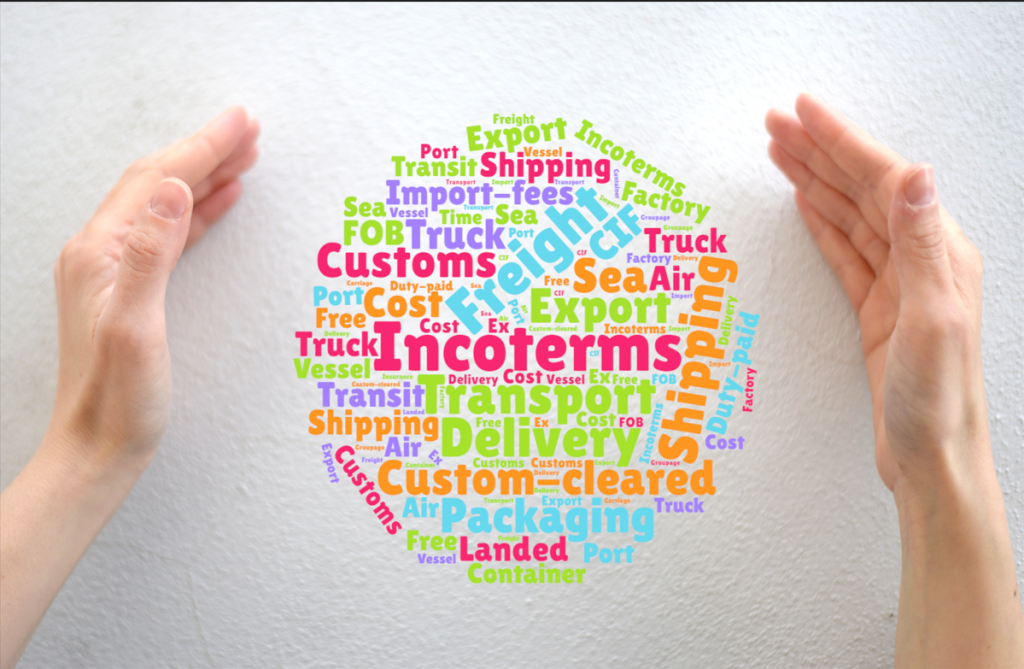
Incoterms (International Commercial Terms) are standardized trade terms that define the responsibilities of the buyer and seller in international trade transactions.
The following incoterms may be relevant when importing orthopedic braces from China including:
- EXW (Ex Works):
Under EXW, the seller makes the goods available at their facility, and the buyer is responsible for organizing and paying for all transportation and related costs.
Advantages of EXW
- Cost-effective: Because the seller is only responsible for making the goods available at their own facility, EXW can be a cost-effective option for the buyer. The buyer is responsible for organizing and paying for transportation, which allows them to choose the most cost-effective options.
- Flexibility: Using EXW allows the buyer to have more flexibility regarding how they transport the goods and what route they take. This can be especially useful if the buyer has specific transportation requirements or needs to transit through certain countries.
- Control: Using EXW gives the buyer more control over the transportation process, as they are responsible for organizing and paying for it. This can benefit buyers who want to manage the import logistics themselves.
- FOB (Free On Board):
Under FOB, the seller is responsible for delivering the goods to the specified port or place of export. The buyer is responsible for paying all costs associated with getting the goods from the port to their final destination.
Advantages of FOB
- Cost savings: Using FOB can be a cost-effective option for the buyer, as the seller is responsible for delivering the goods to the port or place of export. This can save the buyer the cost of transporting the goods to the port or place of export.
- Risk transfer: Under FOB, the seller is responsible for the costs and risks associated with getting the goods to the port or place of export. This can be beneficial for buyers who want to minimize their risk exposure in the event of any issues with transportation.
- Customization: Using FOB allows the buyer to customize the transportation of the goods from the port or place of export to their final destination. This can be useful if the buyer has specific requirements or needs to transit through certain countries.
Some other terms you may come across:
- CFR (Cost and Freight)
- CIF (Cost, Insurance, and Freight)
- FCA (Free Carrier)
- CPT, CIP, DAP, DPU, DDP, FAS, etc.
Freight Forwarders And Custom Brokers
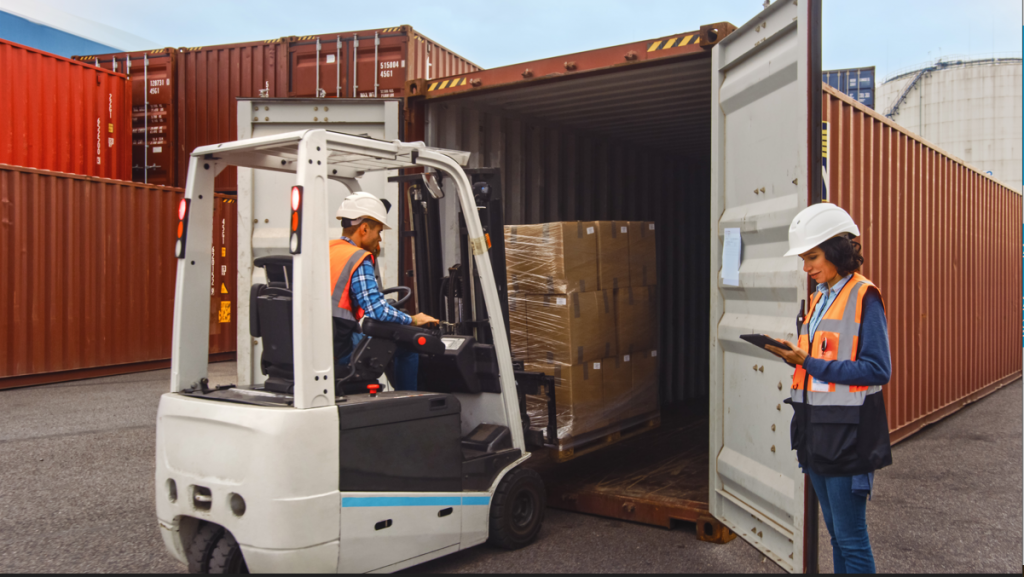
Freight forwarders and customs brokers are essential partners in importing orthopedic braces from China. They can be efficient and cost-effective.
These professionals specialize in handling the logistics and documentation of international trade transactions, and they can help you navigate the complexities of importing from China. As a result, you can focus on your core competencies and leave the logistics to the experts.
Freight forwarders are companies that specialize in organizing the transportation of goods from one place to another. They can handle everything from booking cargo space on ships or planes to arranging trucking or rail transport.
They can also help with customs clearance and other documentation and provide insurance for the goods during transportation.
On the other hand, custom brokers specialize in handling the documentation and legal requirements of importing goods into a country. They can help businesses understand and comply with customs regulations, and they can handle the paperwork and filing of documents required for importing.
Step 11: Track Your Cargo While Awaiting Product Arrival
Tracking your cargo while awaiting the arrival of your orthopedic braces from China is an essential step in the import process. It helps you stay informed about the status of your shipment and allows you to plan for any potential delays or issues that may arise.
There are several ways to track your cargo while awaiting the arrival of your orthopedic braces from China. One option is to use a tracking number provided by the freight forwarder or shipping company.
This number can be entered into the company’s website or app to get real-time updates on the status of the shipment.
Another option is to use a cargo tracking service. These services provide real-time tracking information for shipments and can be accessed online or through an app.
Some services also offer alerts and notifications to keep you informed about the status of your shipment.
It’s also a good idea to stay in contact with the freight forwarder or shipping company to get updates on the status of your shipment. They can provide additional information or help you address any issues that may arise.
How The Product Reaches Customer Destination

The orthopedic braces reach the customer’s destination through a combination of packaging, transportation, customs clearance, and delivery.
- Packaging and labeling: The product is packaged in a way that protects it during transportation and ensures that it arrives at its destination in good condition. The packaging may also include labels with information such as the product’s name, size, and weight.
- Transportation: The product is shipped to the customer’s destination using a transportation method such as air freight, sea freight, or courier service.
- Customs clearance: As the orthopedic braces are being shipped to a country other than the one it was shipped from, they will need to go through customs clearance. This involves paying any applicable duties or taxes and obtaining any necessary permits or licenses.
- Delivery: Once the product has cleared customs, it is delivered to the customer’s destination. This may involve additional transportation steps, such as trucking or rail transport, depending on the final destination of the product.
Step 12: What To Do When The Orthopedic Braces Reaches The Port
When the orthopedic braces reach your destination country port from China, you will need to pay (if applicable) any customs duties and taxes that are due on the orthopedic braces. This may include tariffs, VAT, and other fees.
Besides, you may want to obtain any compulsory permits or licenses, depending on the nature of the orthopedic braces and the regulations in your destination country. Be sure to learn about the relevant regulations and obtain any necessary documentation.
Step 13: Transport The Products From The Port To the Warehouse

Once the orthopedic braces have cleared customs, you will need to arrange for transportation to get them to your final destination, like the warehouse. This may involve trucking, rail transport, or another mode of transportation.
Step 14: Inspect for Orthopedic Brace and Check For its Warranty
Once the orthopedic braces have arrived at their final destination, be sure to unpack and inspect them to ensure that they are in good condition and meet your quality standards. Besides, confirm that manufacturer has sent you the warranty card with the braces.
Conclusion
Importing orthopedic braces from China can be a complex process, but with the right knowledge and resources, it can be a successful and cost effective way to source high-quality products.
By following the steps outlined in this guide, you can ensure that you are well-prepared to import orthopedic braces from China, including finding the right manufacturers, negotiating prices, and handling the logistics and documentation of the import process.
By working with freight forwarders and customs brokers, tracking your cargo, and following all relevant regulations, you can import orthopedic braces from China smoothly and efficiently.
Ultimately, importing orthopedic braces from China can be a valuable way to expand your product offering and grow your business.