
Introduction
An orthopedic knee brace is invaluable if you’ve recently been diagnosed with a knee injury or are looking for the best way to support and protect your knees. Whether you’re a professional athlete, weekend warrior, or have been suffering from chronic pain, wearing an orthopedic knee brace has many benefits.
In this ultimate guide to orthopedic knee braces, we will review the different types of braces available and how they can help alleviate pain and improve mobility. Finally, we will provide tips on choosing the right brace for your specific needs.
What Is Orthopedic Knee Brace?
An orthopedic knee brace is a device used for supporting the knee and surrounding muscles, tendons, and ligaments. The two main types of knee braces are unloader braces and patellofemoral braces.
Unloader braces are majorly designed to reduce pain and improve function in people with osteoarthritis by offloading weight from the affected knee joint compartment. Meanwhile, patellofemoral braces help relieve pain in the front of the knee caused by patellofemoral stress syndrome or patellar tendonitis.
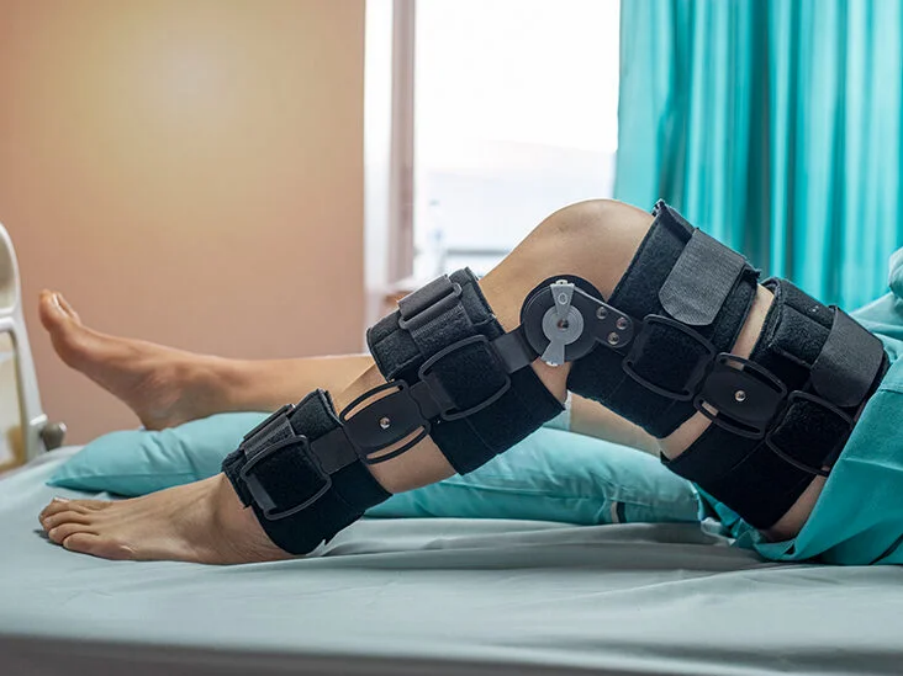
Knee orthopedic braces come in various sizes, shapes, and materials. They can be made from plastic, neoprene, or other synthetic materials. Some have hinges that allow for a range of motion, while others are rigid and immobilize the knee joint.
Bracing is just one treatment option for osteoarthritis and other conditions that cause knee pain. Other options include medication, physical therapy, injections, and surgery. Your healthcare provider will help you develop a treatment plan tailored to your specific needs and goals. In this post, we will cover more on orthopedic knee braces.
The Importance of Knee Brace
Knee braces are made to support and stabilize the knee joint. Some of the specific benefits of wearing a knee brace include the following:
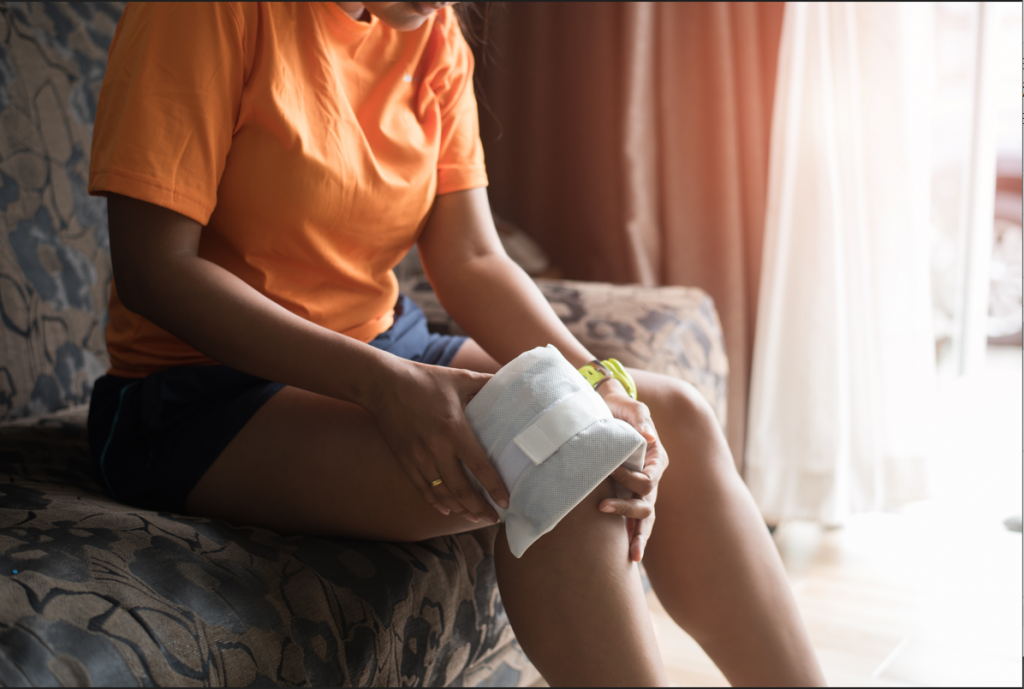
- Reducing pain: Orthopedic knee braces are an important tool in reducing pain and improving function in individuals with various knee conditions. Knee braces work by supporting the knee joint, thus helping to reduce pain caused by conditions such as osteoarthritis, ligament injuries, and knee instability. In addition, some knee braces, such as those made from neoprene, can provide warmth and compression to reduce inflammation and pain.
- Increasing stability: Orthopedic knee braces can help to increase stability in the knee joint by providing support and reducing strain on the joint and the surrounding muscles, tendons, and ligaments. They are often used to help treat conditions such as osteoarthritis, ligament injuries, and knee instability. Some braces that can help to increase stability include hinged knee braces and patellar knee braces. These braces can improve the knee joint’s stability, especially if the knee is prone to giving way or collapsing.
- Improving alignment: Orthopedic knee braces can help improve the alignment of the knee joint by providing support and stability. This can help to reduce the strain on the joint and the surrounding muscles, tendons, and ligaments, which can help to reduce pain and improve function.
- Protecting against further injury: Knee braces can help to protect the knee joint against further injury, especially in cases where the knee has already been weakened by previous injury or surgery.
- Improving mobility: Some knee braces are made to help improve mobility by providing support to the knee joint, thus allowing for a greater range of motion.
- Reducing inflammation: Some knee braces are manufactured to help reduce inflammation in the knee joint by applying gentle compression.
- Improving athletic performance: Knee braces can help to improve athletic performance by providing support and stability to the knee joint, allowing for a more stable and confident movement.
- Reducing the risk of knee injuries: Wearing a knee brace can help to reduce the risk of knee injuries, especially in cases where the knee is prone to instability or is at risk of being subjected to excessive strain.
Types of Knee Braces
Knee braces fall into four general categories. These categories are:
- Prophylactic Knee Braces
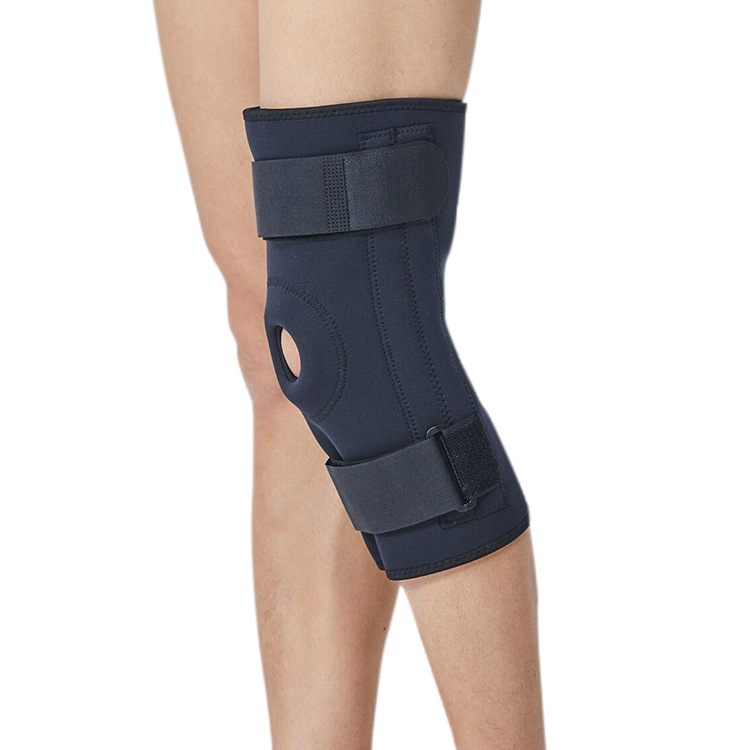
This type of knee brace is designed for preventing and reducing the severity of ligamentous injuries to the knee. It is typically used by athletes who engage in contact sports such as football.
A prophylactic knee brace serves as protection for the medial collateral ligament or MCL from valgus knee stresses. At the same time, it also prevents the knee joint from sustaining further injury. This type of knee brace is great for contact sports athletes at high risk for MCL injury or those who have suffered an MCL injury before.
- Rehabilitative Knee Braces
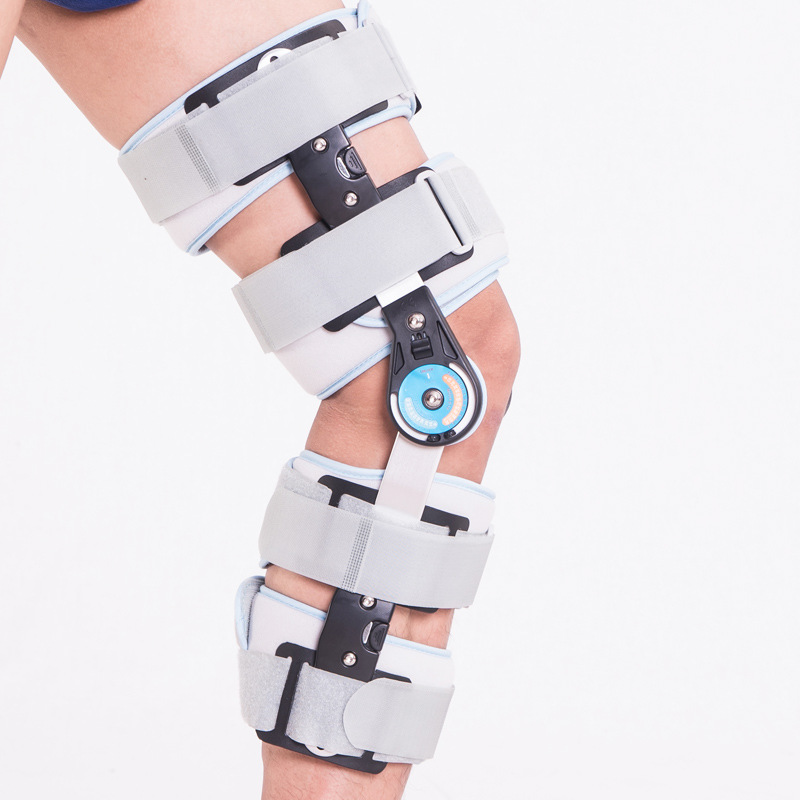
Rehabilitative knee braces are helpful for limiting movements that can potentially harm the knee while the person is in the process of rehabilitating after a recent knee injury or surgery.
This type of brace serves as protection for the repaired or reconstructed ligament, allowing early motion of the knee joint. They’re also great for protecting the ligaments and knee joints from any future or recurring injury.
- Functional Knee Braces
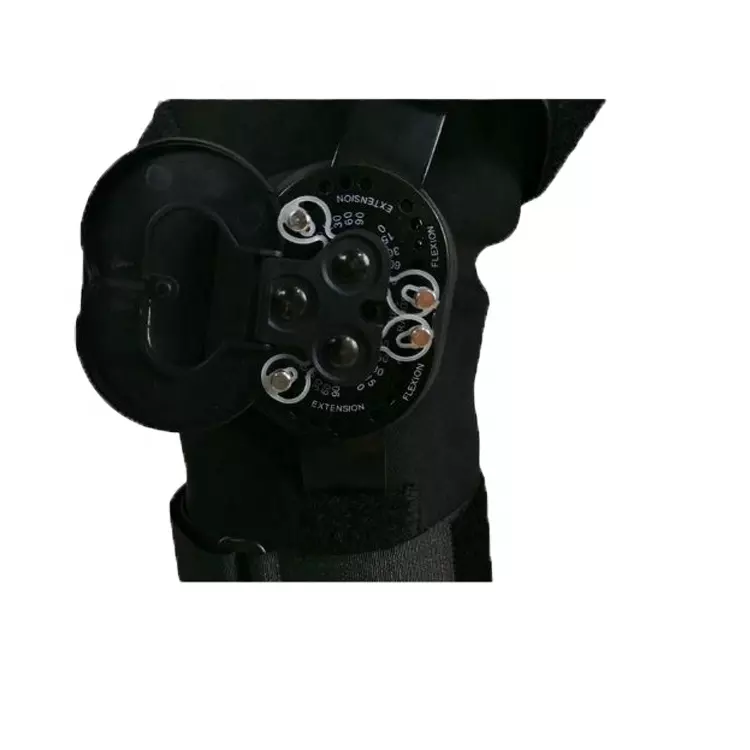
A functional brace serves as a support for knees that have already sustained an injury, either from playing a sport or a fall. This type of knee brace is also great for reducing rotation after an ACL tear or injury, as well as for providing additional support to those who recently got ACL repair surgery.
There are cases when functional knee braces are also used for supporting mild to moderate PCL or MCL instability.
- Unloader/Offloader Knee Braces
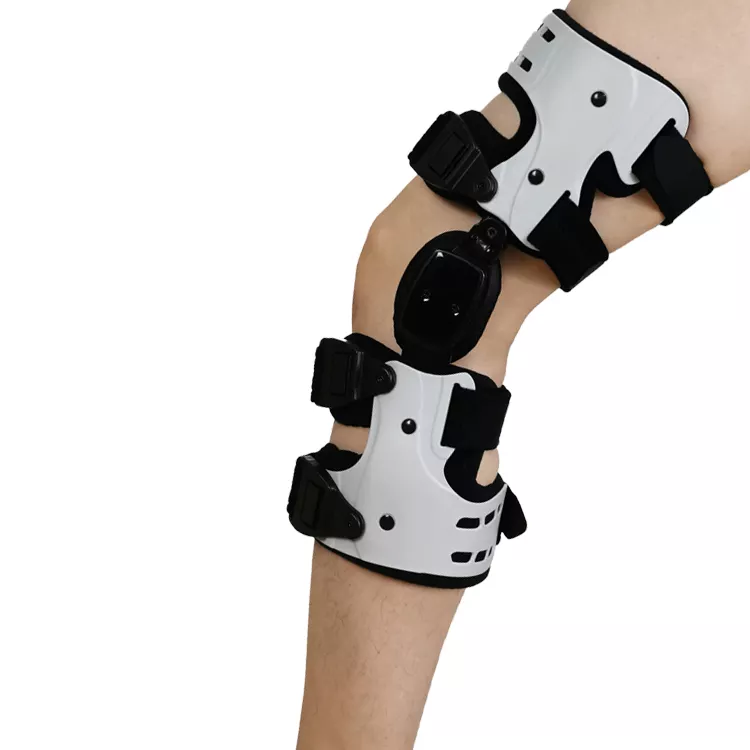
These knee braces are meant to offer relief to people with arthritis in the knees, especially those suffering from medial compartment knee osteoarthis.
This type of knee brace is designed to unload stress from the injured joint and place pressure on the thigh bone. This prevents the knee from bending away from the painful area. These braces can also be helpful for those who are about to get knee replacement surgeries but want to take the stress off their knees before the session.
There are various knee braces available, so it’s important to choose one that is right for your specific injury or condition. Your orthopedic surgeon or physiotherapist can help you to select the best braces based on your needs.
If you have a knee injury or are at risk for one, talk to your doctor about whether a knee brace would be right for you.
Scope of Application
Knee braces are used for different purposes and can be applied in various settings. Some common uses and applications of knee braces include:
- Treatment of knee injuries: Knee braces can provide support and stability to the knee joint after an injury, such as a ligament tear or fracture. They can help to reduce pain, improve mobility, and protect against further injury.
- Rehabilitation: Knee braces can provide support and stability to the knee joint during rehabilitation after an injury. They can help to reduce pain, improve mobility, and protect against further injury.
- Prevention: Knee braces help prevent knee injuries, especially in athletes at risk of knee injuries due to the nature of their sport. Prophylactic knee braces are designed specifically for this purpose.
- Management of chronic knee conditions: Knee braces help manage chronic knee conditions, such as osteoarthritis and patellofemoral pain syndrome. They can help to reduce pain, improve mobility, and protect against further injury.
- Post-surgical support: Knee braces can provide support and stability to the knee joint after surgery, such as a knee replacement or ligament reconstruction. They can help to reduce pain, improve mobility, and protect against further injury.
- Physical activity and sports: Knee braces are worn during physical activity and sports to provide stability to the knee joint. They can help to reduce pain, improve athletic performance, and protect against knee injuries.
The Most Popular Types of Knee Braces
You can find different braces in the market, each with unique benefits. The most popular types include the following:
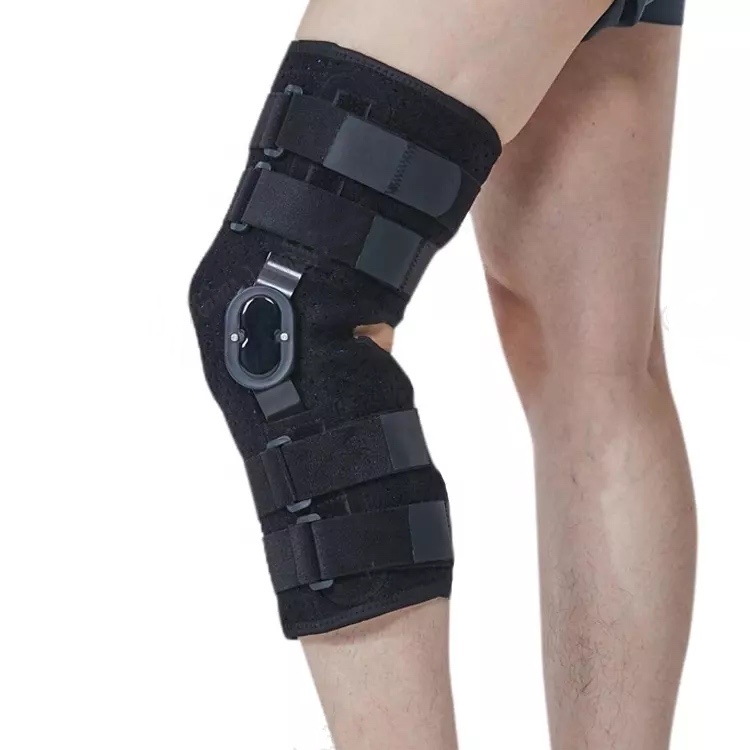
- Hinged knee braces: Often used after knee surgery to provide stability to the knee joint. They are also used to treat conditions such as knee instability, ligament injuries, and osteoarthritis.
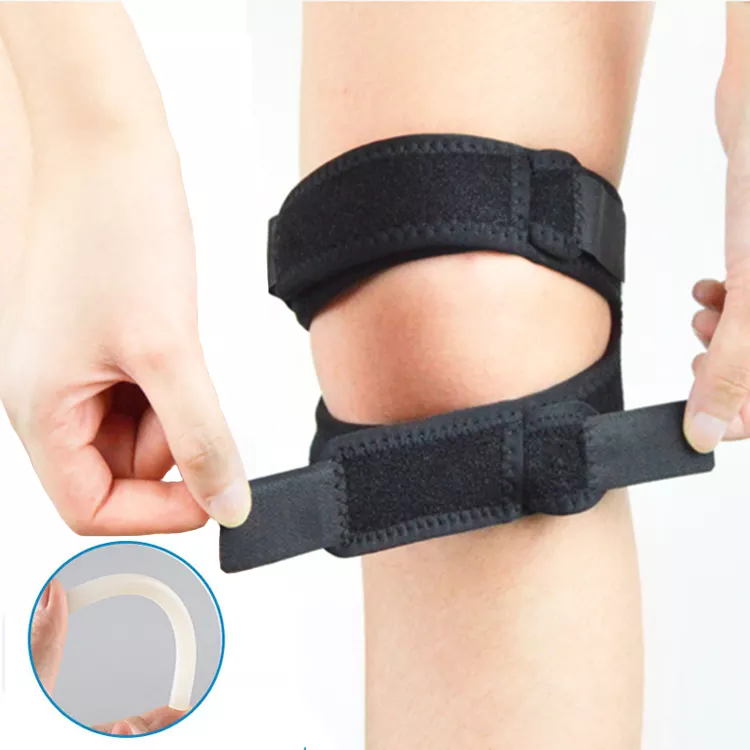
- Patellofemoral braces: Manufactured and designed to support the patella (kneecap) and the surrounding tissues. They often treat conditions such as patellofemoral pain syndrome and chondromalacia patellae (softening cartilage under the kneecap).
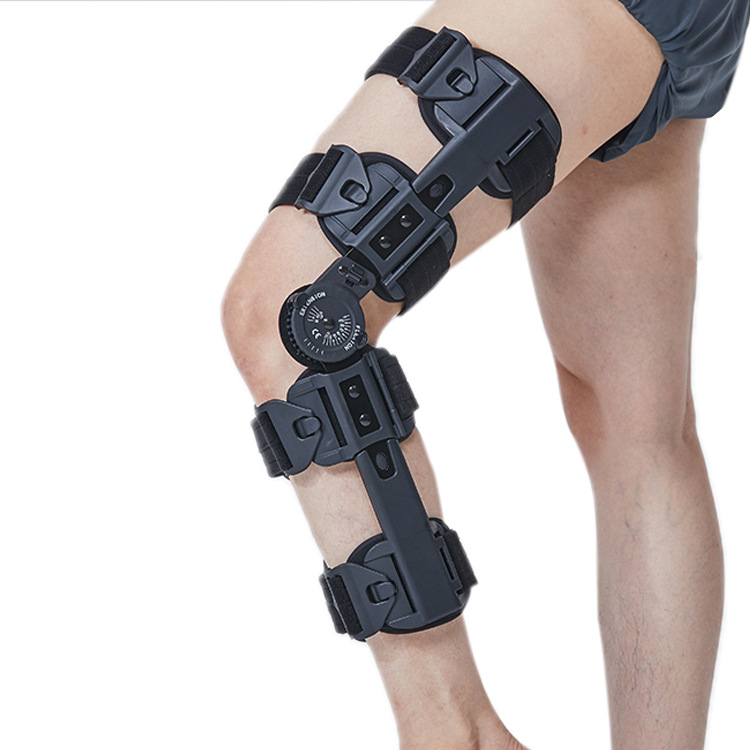
- Telescopic ROM Knee Brace: A telescopic ROM knee brace is also known as a hinged knee brace. It is designed to limit the knee’s range of motion in order to allow your injury or surgery to heal while still being functional. There are different types of ROM knee braces. The telescopic ROM knee brace, in particular, has easily adjustable settings through the spring loaded quick-clips by simply pulling and sliding them apart. It’s designed in a way that prevents any unintentional or accidental changes to its setting. Despite the many settings attached to a telescopic ROM knee brace, it’s still able to provide comfort and breathability to the user.
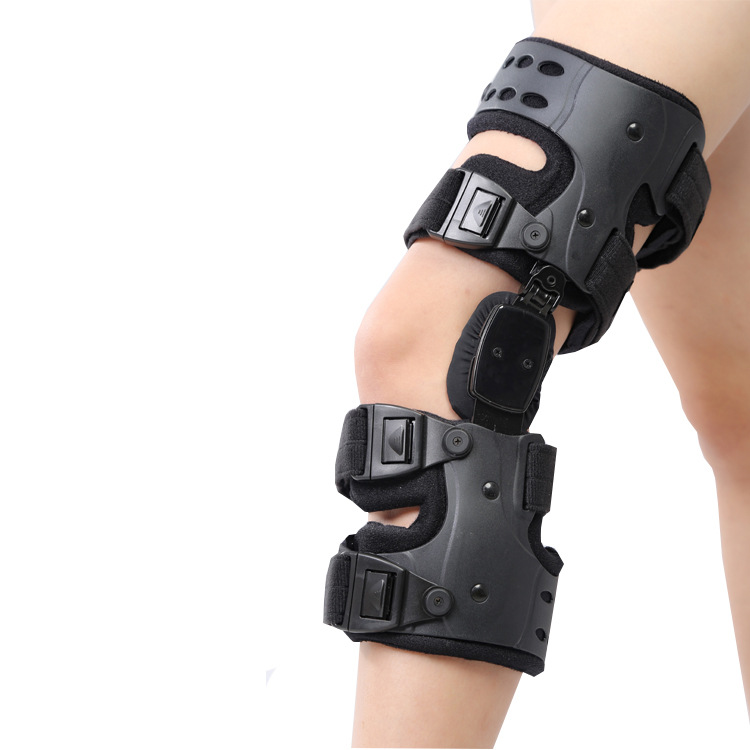
- OA Knee Brace: OA knee braces are meant for those suffering from osteoarthritis, which is an inflammation of the joints. This condition greatly restricts your movement and although knee arthritis is more common, it can still affect other joints such as the ankle, shoulder, neck and wrist. Wearing an OA knee brace as a treatment can help you enhance stability. The braces help you shift away from the injured part of your joint, which greatly helps reduce any pain and discomfort. OA knee braces also come with compression that helps reduce swelling.
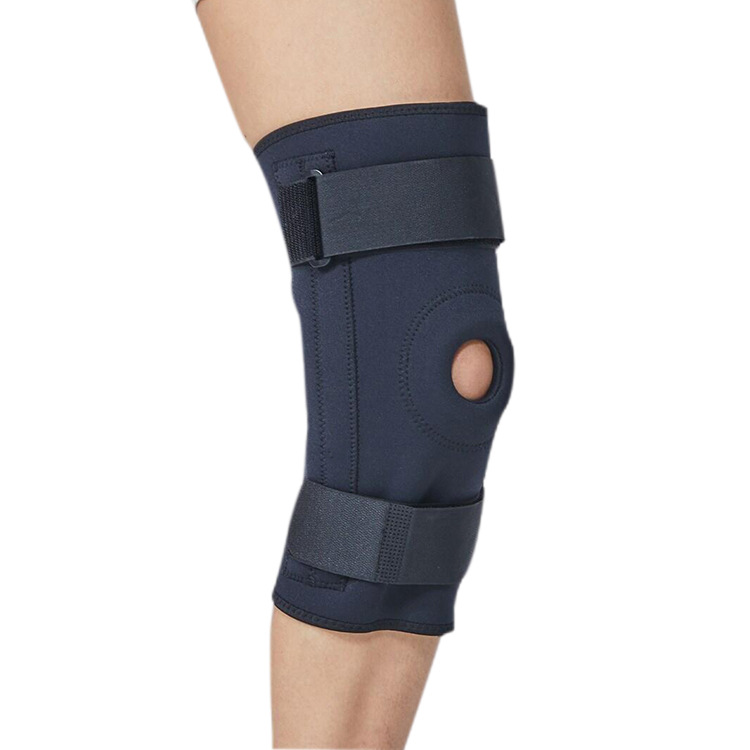
- Neoprene Sleeves: Neoprene sleeves provide compression and warmth to the knee joint. Physicians can use them to treat arthritis, bursitis, and tendinitis.
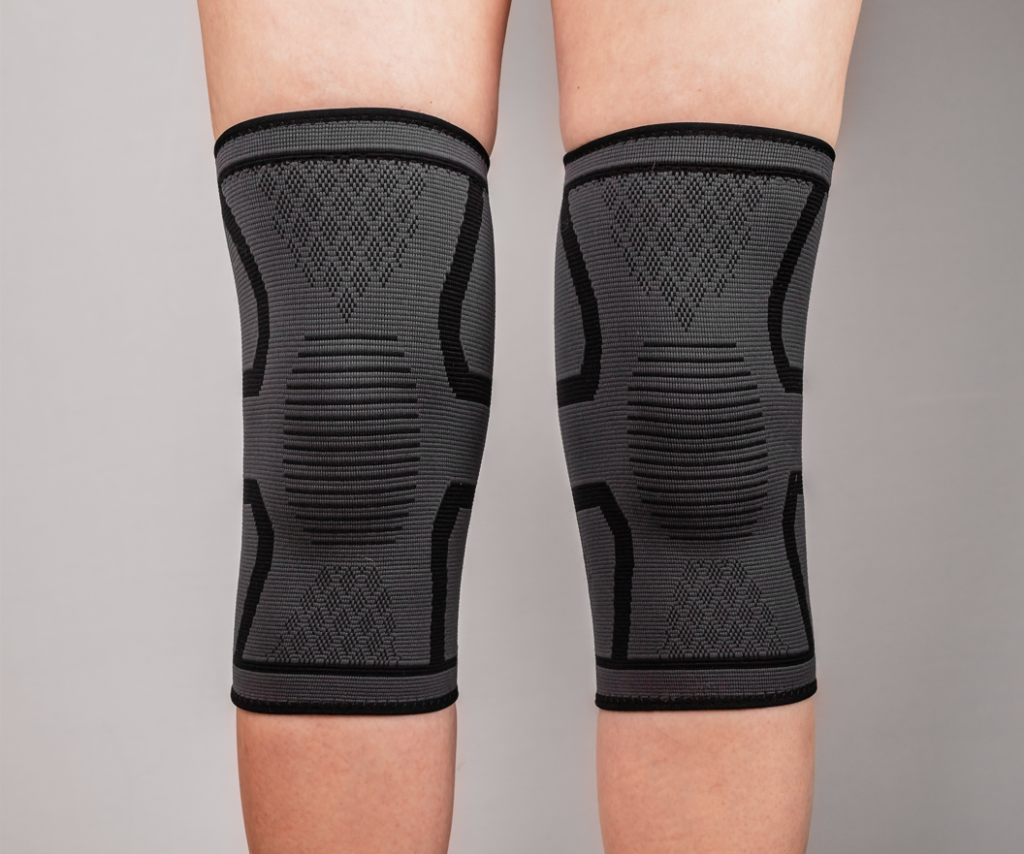
- Wraparound Knee Braces: Wraparound knee braces are typically made of a stretchy material, such as neoprene, and worn around the knee like a sleeve. They are designed to be easy to put on and worn over or under clothing. Wraparound knee braces can provide various benefits, including reducing inflammation, improving mobility, and relieving pain.
Tips and Reminders for Choosing Knee Braces
Here are some tips and reminders:
-Always consult your orthopedic specialist first. They will guide you in choosing the best brace for your specific needs.
-Make sure the brace fits properly. It should stay in place when you move around.
-Wear the brace as directed by your doctor or orthopedic specialist. You may need to wear it always or only when engaging in activities that stress your knees.
-Be sure to follow any care instructions that come with the brace. This will help ensure that it lasts as long as possible and continues to provide stability to the knee.
-Make sure the brace stays comfortable for extended periods. If you intend to do a lot of strenuous physical activities, you need to choose a knee brace that’s made up of breathable materials.
What Types Do You Need?
There are four main types of orthopedic knee braces: prophylactic, functional, unloader, and patellofemoral.
Prophylactic knee braces are worn to prevent injuries in people who are at risk for them. Functional knee braces are worn after a knee injury to support the knee and aid healing. Unloader knee braces take the weight off a painful joint to provide relief while patellofemoral knee braces help stabilize the patella or kneecap.
The type of brace you need will depend on your situation. Your doctor can help you determine which type is right for you.
What Size Do You Require?
The size of the orthopedic knee brace you need will depend on your knee and lower leg measurements. To determine the correct size, you will need to measure the circumference of your thigh just above the knee and the circumference of your calf just below the knee joint. You may also need to measure the distance between the center of your kneecap and the top of your thigh.
Choosing a knee brace that fits properly is important to ensure support and stability. A larger knee brace may not provide adequate support, while a smaller one may be uncomfortable to wear.
It is always advisable to consult a healthcare provider or a professional fitter when selecting a knee brace to ensure that you get the correct size and fit. They can help measure your leg and determine the appropriate size for your needs. Sometimes, custom-made knee braces may be necessary to ensure a proper fit.
If you are unsure about your size, it is always best to act cautiously and choose a larger size. You can always adjust the fit with straps or other features, but it is difficult to make a smaller brace work if it is too tight.
What Level of Support Do You Need?
Different knee braces provide different levels of support, and choosing a knee brace that meets your specific needs and goals is important.
Some factors that can influence the level of support you need include the type and severity of your injury or condition, your physical activity level, and your level of comfort and stability. For example, if you have a torn anterior cruciate ligament ACL, you will need a brace that offers more support than someone dealing with osteoarthritis.
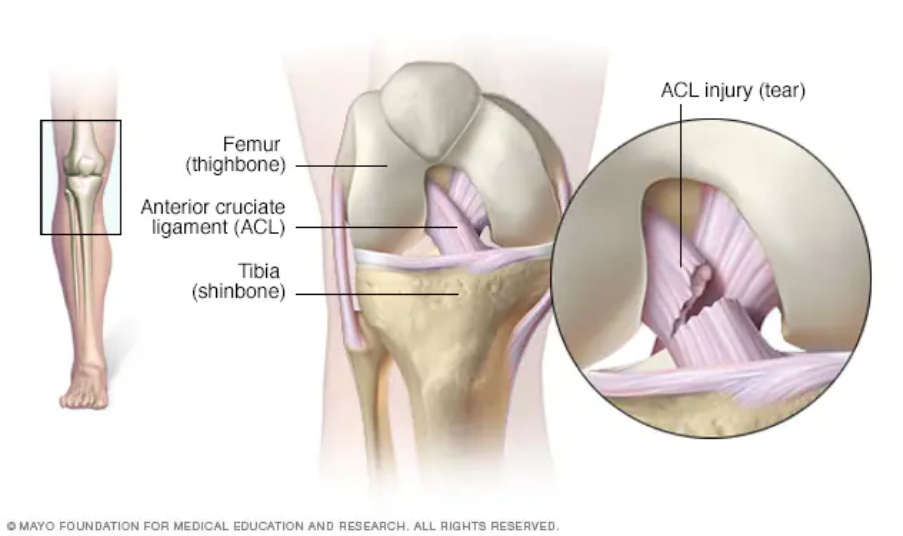
If you have a mild injury or condition, you can use a knee brace with a lower level of support.
Another factor to consider is how active you are. If you are an athlete still competing, you will need a brace that offers more support than someone who is relatively sedentary.
Finally, your preferences will come into play when choosing a knee brace. Some people prefer bulky braces that offer maximum support, while others find these uncomfortable and prefer lighter-weight options.
What Material Do you Prefer?
The material of the knee brace can affect its durability, comfort, and performance.
Knee braces are typically made from a range of materials, including
- Neoprene
- nylon
- polyester, and
- foam
Neoprene is often used in the construction of knee braces. It is known for its stretchiness, durability, and insulation properties, which make it a good choice for providing warmth and compression to the knee joint.
Nylon is a synthetic polymer known for its strength, durability, and resistance to abrasion. It is used for knee braces, particularly in areas of the brace that are subject to high levels of wear and tear.
Polyester fiber is known for its strength, durability, and resistance to moisture and shrinking.
Foam is a soft, spongy material often used to construct knee braces to cushion and support the knee joint. Manufacturers can make foam from various materials, including polyurethane, polyethene, and other polymers.
The materials used in constructing a knee brace will depend on the intended use and design. Choosing a knee brace made from high-quality materials is necessary to ensure that it provides the necessary support and stability.
In addition to considering the material of the knee brace, it is also important to consider the fit and comfort of the knee brace. A knee brace that is tight or loose can be uncomfortable and may not provide the desired level of support and stability. Choosing a knee brace that fits properly and is comfortable to wear.
Similar to choosing the type and size of your knee brace, your specific needs and goals will determine the most appropriate material.
Brand or Manufacturer (ISO13485)

When selecting an orthopedic knee brace, it is important to consider the brand or manufacturer. Choosing a reputable and trusted brand or manufacturer is generally recommended, as this can help ensure that the knee brace is high quality and has been tested and validated.
One way to determine the reputation and reliability of a brand or manufacturer is to look for certifications such as ISO 13485. It is a widely recognized and respected standard in the medical device industry, and companies certified to it are typically considered reliable and trustworthy.
ISO 13485 is recognized by regulatory authorities worldwide and is often used to demonstrate conformity with the essential requirements of medical device directives and regulations. It is commonly used by manufacturers of medical devices, including orthopedic knee braces, to help ensure that their products meet the highest quality standards.
In addition to looking for certifications such as ISO 13485, it is also a good idea to research the brand or manufacturer and read reviews from other users to get a sense of the quality and effectiveness of their products. It is also important to consult with a healthcare provider or physical therapist to determine the most appropriate type of knee brace for your needs.
There are many reliable brands of orthopedic knee braces available on the market. Some well-known and trusted brands include:
- DonJoy
- Mueller
- Breg
- MedSpec
- Aircast
It’s worth noting that the most appropriate brand or manufacturer for a particular individual will depend on their specific needs and goals.
Remember that when choosing a knee brace, these are the features you must consider for your choice. A knee brace must be
- Comfortable and breathable. A knee brace should always feel comfortable for extended periods of time. It should also be made up of breathable materials for strenuous physical activities.
- Adjustable and customizable. There are knee braces that can be customized to fit your leg like a glove. However, high-quality braces have adjustable features such as straps, different padding options, or dials. This way, you can customize the brace according to whatever you wish it to look like.
- Lightweight and streamlined design. The best quality knee braces should not be either bulky or heavy. Instead, they should be fitted properly according to the dimensions of your leg in order to avoid any discomfort. The best knee braces can feel like an extension of your leg and it becomes easy to forget that it’s there.
Tips For Maintaining Your Knee Brace

Assuming you have been prescribed a knee brace by a physician, there are some general tips to follow the brace and help maintain it.
- Follow the manufacturer’s instructions for care: Each knee brace is different, and it is important to follow the manufacturer’s instructions to ensure that your knee brace stays in good condition. This may include instructions for cleaning, storing, and replacing the knee brace.
- Clean your knee brace regularly: Over time, your knee brace can accumulate sweat, dirt, and bacteria. To keep your knee brace clean and hygienic, you must clean it regularly. Use soap and warm water to scrub the knee brace gently, and rinse it thoroughly. You can use mild antibacterial soap but avoid using harsh chemicals because they can damage the material of the knee brace. Make sure to include the belts and strap cushions, along with the inner lining of the shin and thigh.
- Dry your knee brace thoroughly: After cleaning your knee brace, be sure to dry it thoroughly before storing it. If your knee brace is not dry, it can develop mold or bacteria, harming your skin. You can use a clean, dry cloth or towel to pat the knee brace dry, or you can air-dry it by hanging it up or laying it flat. Never place it in a dryer or use a hair dryer. You might end up damaging your knee brace.
- Store your knee brace properly: To extend the life of your knee brace, you will need to store it properly. Avoid storing your knee brace in a damp or humid environment, promoting mold and bacteria growth. Instead, store your knee brace in a cool, dry place. If your knee brace is not in use, you can store it in a protective case or bag to keep it clean and safe.
- Replace your knee brace as needed: Over time, your knee brace may become worn or damaged. It is important to replace your knee brace if it becomes damaged or no longer provides the support and stability you need. Consult a healthcare provider or physical therapist to determine when to replace your knee brace.
- Be sure to put on the brace correctly: Some braces need to be positioned in a certain way to work properly. There are usually instructions, or you can ask your physical therapist how to put it on correctly.
- Make sure the straps are tight enough to secure the brace but not too tight to hinder circulation or discomfort. The straps should also be equally tight to distribute the force evenly across the brace.
It’s also recommended to schedule an annual follow-up with your orthotist. This is so you’re better able to detect and monitor the following:
- Wear of the materials in your knee brace
- Changes in the biochemical movements of your body
- Evolution of your treatment plan
- Variation of your leg measurements
- Pathological changes
Warranty
When selecting an orthopedic knee brace, it is important to consider the warranty offered by the manufacturer. A manufacturer’s warranty promises to repair or replace a product if it is faulty due to a defect in materials or craftsmanship. It is important to carefully review the terms of a manufacturer’s warranty before purchasing a product to understand its commitment to quality and what is covered.

A warranty can provide peace of mind and protect you if your knee brace fails or is defective. Choose a knee brace with a warranty, as this can help ensure that you can get your knee brace repaired or replaced if needed.
When looking at warranties, it is important to consider the length of the warranty and the terms and conditions of the warranty.
Conclusion
The orthopedic knee brace is essential for stabilizing and supporting the knee joint. Whether you suffer from chronic pain, a recent injury, or are recovering from surgery; a quality orthopedic knee brace can help you get back to your regular activities faster and with less discomfort. With this ultimate guide to finding the best options for your needs, we hope that it has been easier to find the right model of orthopedic knee brace suited to your requirements.