
Back Brace Manufacturer
Back Brace Supplier
Lynhealthtech is a back brace manufacturer that offers five types of the back brace. Our orthopedic brace factory in China produces different materials. Welcome to contact us to get a full catalog.

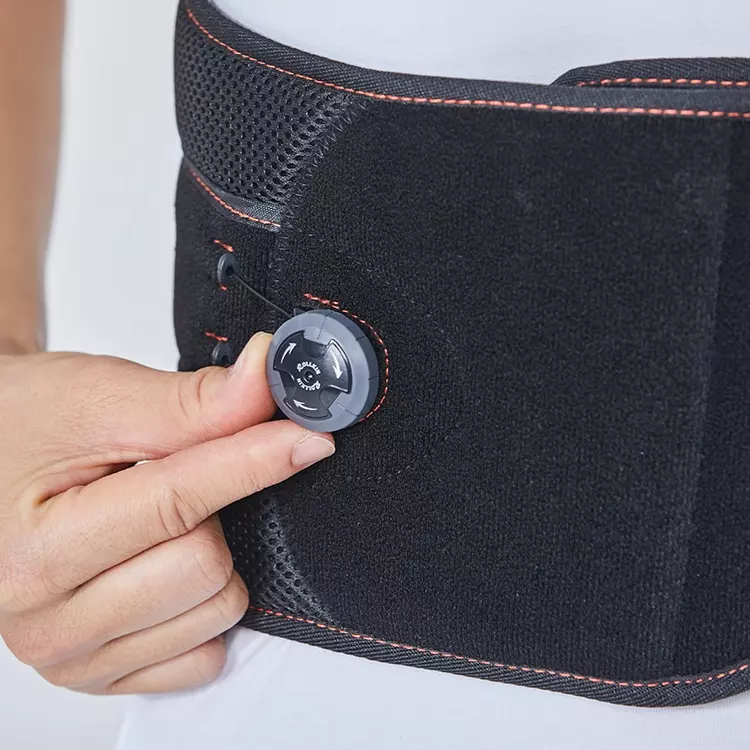
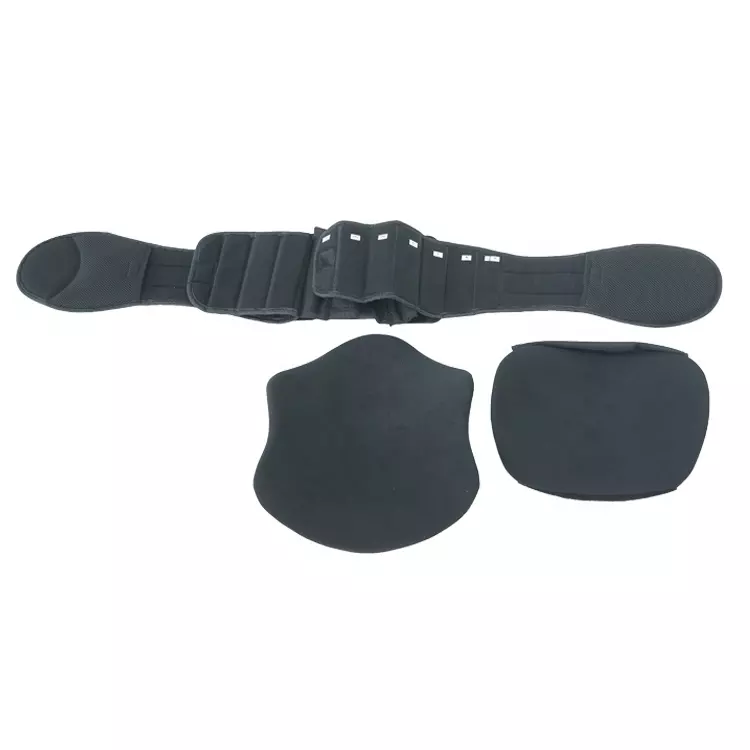
Adjustable Lower Back Brace with Removable Pad
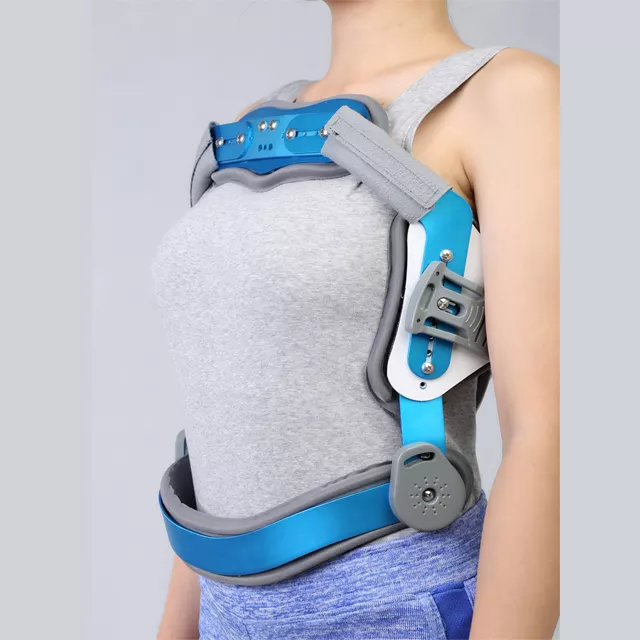
Orthopedic Hyperextension Back Brace
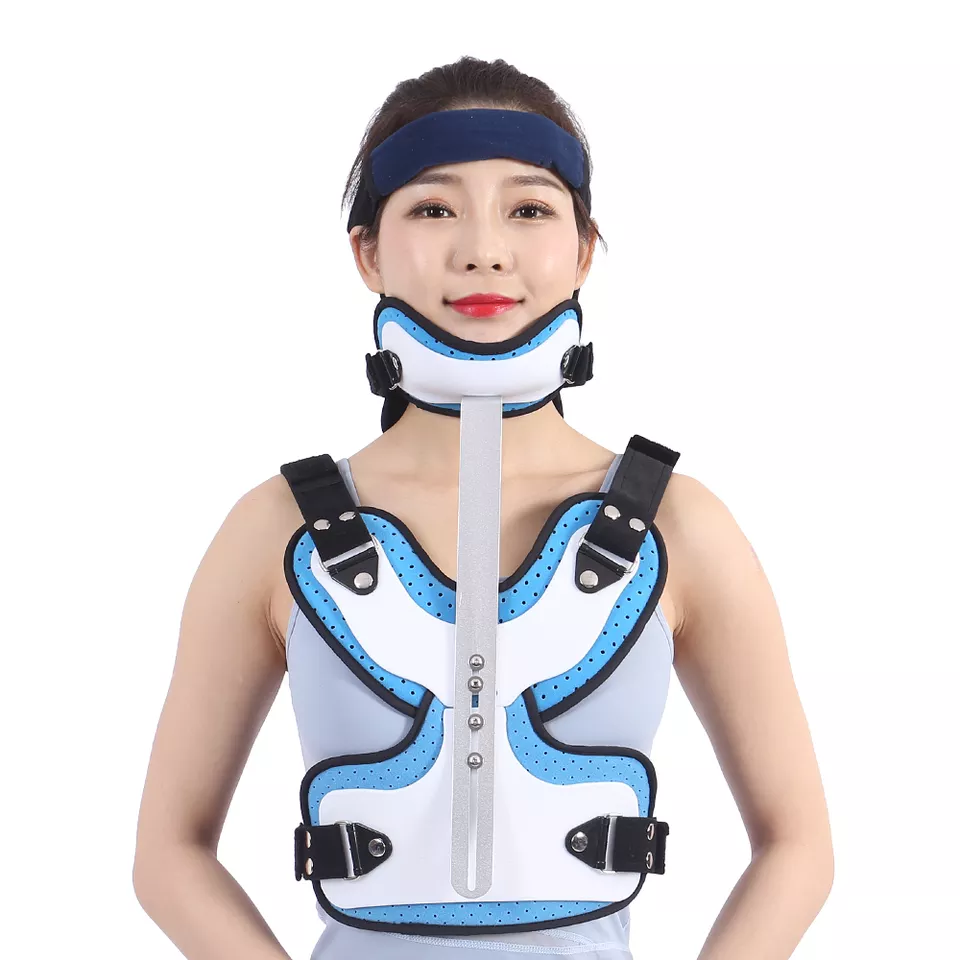
Cervical Thoracic Orthosis
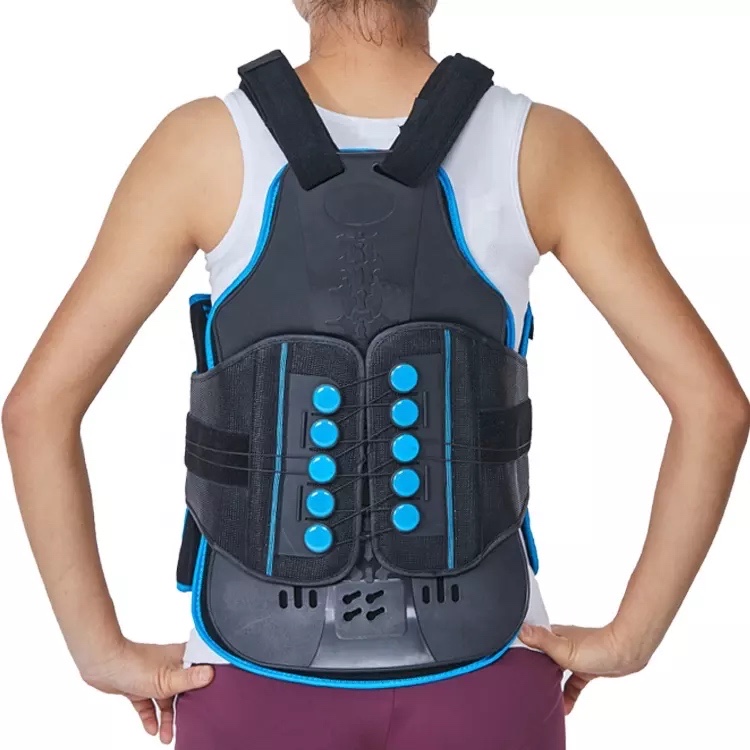
Thoracolumbosacral Orthosis
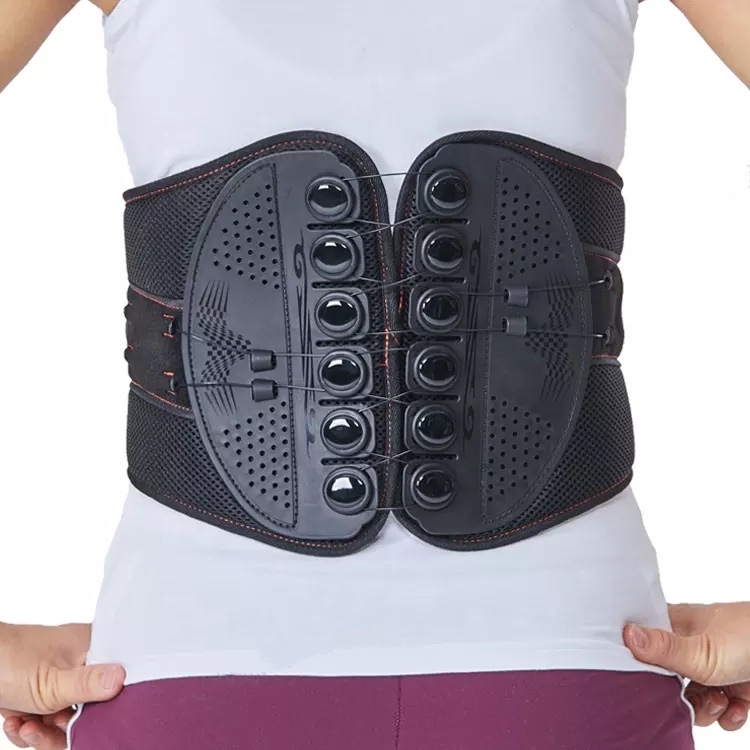
Orthosis Back Support With Strap
REQUEST A QUOTE FOR MORE DETAILS
All You Need To Know About Back Brace
Back Braces, also known as Posture Correctors and Posture Brace, are medical devices that restrain patient’s from moving their backs. Generally, medical practitioners recommend Back Braces post-back surgery for better recovery. Now, it is popularly used to ease back pain or correct posture.
These braces come in different designs, usually catering to specific needs. Although, they can be classified as rigid, semi-rigid, or flexible, depending on the materials used.
Overall, Back Braces are mainly made of elastic cotton or nylon materials. They are stiff enough to support the back but, at the same time, breathable.
This article will discuss types, uses, benefits, considerations, and how Back Brace works.

What Are Back Braces Used For?
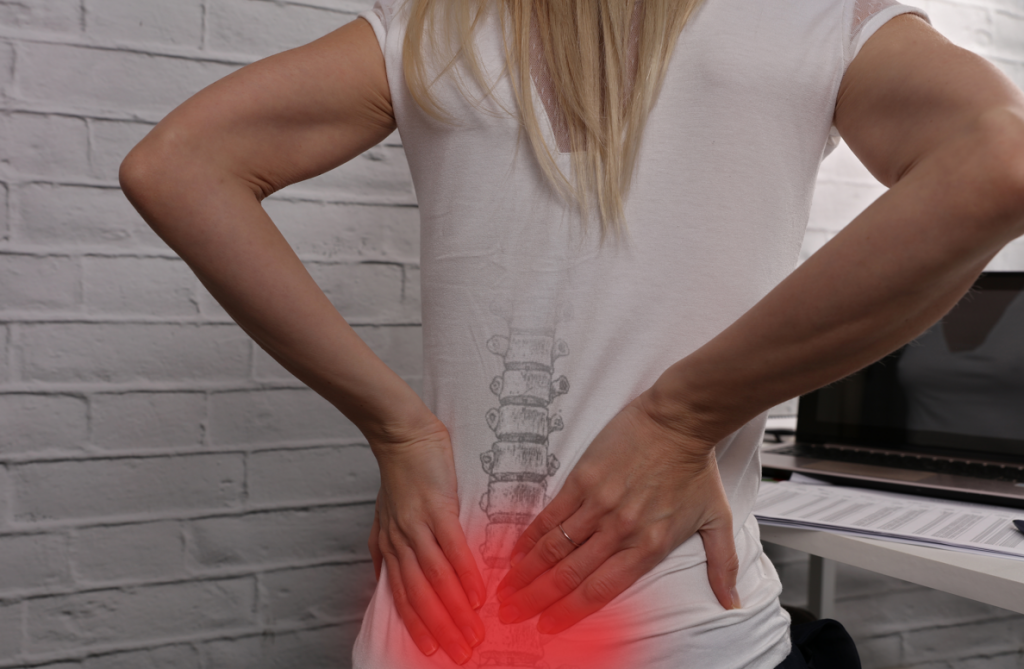
Back Braces are primarily recommended for people recovering from back surgery and experiencing back pain. Although, they are now popularly used to improve people’s posture and scoliosis.
These medical devices are also worn to prevent any work-related injuries. To determine whether you need back braces, here are some indications you should look for.
Post-Surgery Care
People coming out of surgeries require some support to not stress their body parts affected by the surgery. Back Braces come in handy for people that undergo back or spinal surgeries.
Medical Practitioners prescribe Rigid Back Braces to provide support to the spine, removing any stress and pressure. Basically, the Back Braces act as a cast, limiting any motions and movements for better healing.
Back Braces also ensure that the spine does not recover in the wrong way, correcting the posture while the back is immobilized.
Osteoarthritis
People suffering from Osteoarthritis might be suffering from back pain for simple everyday tasks. Using Semi-rigid or Rigid Back Braces can reduce the instability and painful micro-motions.
It reduces pressure on joint areas, so the user can do simple tasks, such as sitting and standing, without any jolt of pain.
Vertebral Compression Fractures
Vertebral Compression Fractures happen because of dislocation, trauma, or injury. It results in extreme back pain even when doing minor movements.
Using Back Braces will take the pressure out of the spine, allowing the vertebrae to heal properly. It also limits the user’s movement to avoid making painful motions.
Muscle Spasms
Muscle Spasms are caused by inflammation or irritation. It can affect the spine-supporting muscles, which can cause painful motions when bending or just doing an everyday chore.
Using Back Braces will allow the soft tissues to heal and minimize any further muscle spasms.
Mobility Issues
Mobility Issues can be caused by a lot of factors, including Degenerative Disc Disease and traumatic instability. These kinds of issues are good indications that the person needs to use Back Brace.
Back Braces act as a support, taking the pressure off the affected region. It makes it lighter for the user to move around.
How does the Back Brace Work?
Back Braces work by supporting the patient’s upper torso or back. It limits movement to avoid disrupting the healing process, correct the spine, or steer clear of any injury.
It has restrictive materials made of plastic, rubber, or thick fabric. Although it restricts movements, each design has a different level of restrictions.
Fabric and plastic tend to be more flexible, which allows patients to bend and rotate in a limited manner. Customized Back Braces tend to give few movements, enough to comfortably sit and stand.
It is highly advisable to purchase one with a medical practitioner’s prescription. It is to ensure that the patient is provided with the proper guidance.
Generally, patients wear Back Brace for a few days. Only in serious instances that medical practitioners allow up to three months of use. Wearing Back Braces for an extended period can weaken the core muscles in carrying the torso.
At the same time, choosing an inappropriately sized Back Brace can prevent further injury and pain. Although, there are adjustable available in the market.
Considerations When Buying Back Brace
Finding the appropriate Cervical Collar can be challenging. So, here's a list of considerations to take into account.
#1 Material
Plastic
Plastic is the most popular rigid material used in Back Braces. It can be easily molded to create stiff plastic jackets and back panels, restricting the spine and back from moving. It makes Plastic Back Braces excellent choices for people with serious back conditions or in post-surgery.
Elastic Cotton
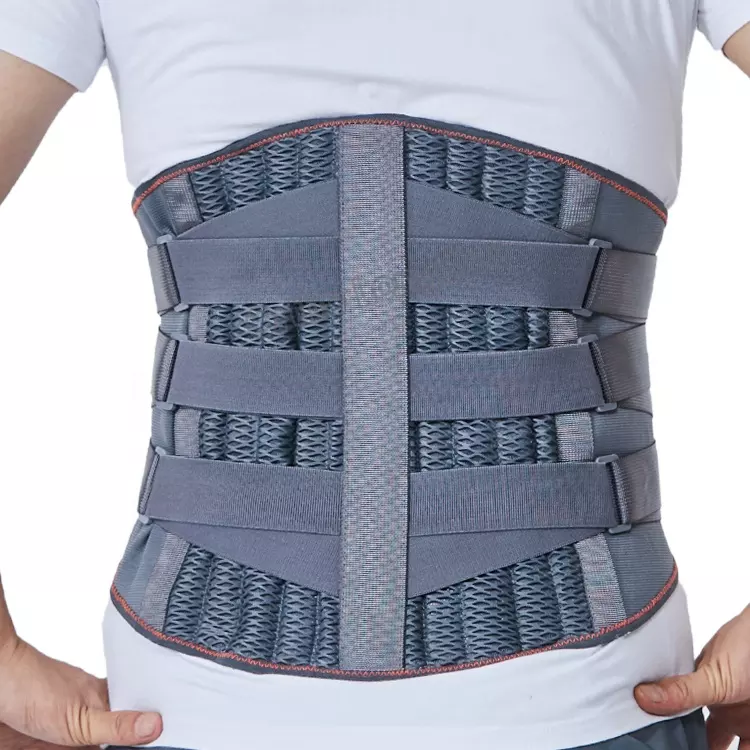
Elastic Cotton Back Braces are made using polyester mesh elastic to be breathable and adjustable. It is not as restrictive as plastic but can constrain the torso from moving with its elastic belts.
Nylon
Similar to Elastic Cotton Back Braces, Nylon is breathable and adjustable. However, it is mainly used in correcting posture and easing back pain as it is not as supportive as plastic ones. Nylon Back Braces usually come in belt forms with detachable suspenders for additional support.
Neoprene
Neoprene is a non-stretch material, a type of flexible synthetic rubber. Unlike the more rigid materials, Neoprene Back Braces are comfortable while supporting the lumbar region. This Back Brace is also soft and warm, allowing users to wear it even when sleeping.
Spandex
Spandex is a stretchy fabric, making it ideal for all sizes. Since it is more flexible than other materials, manufacturers design Spandex Back Braces to encapsulate and restrict the back and torso. It usually comes with suspenders for that additional stabilizer.
#2 Size
Another consideration to note is the size. Most medical practitioners will prescribe custom-made Back Braces, so the manufacturer could just take the user’s size waist circumference.
#3 Level of Support
Rigid Support
Rigid Support is perfect for people suffering from serious injury, heavy back pains, and post-traumatic back surgery. It ensures that it alleviates the weight and pressure from the back, so it can properly heal. It is usually made of plastic and is almost a cast for the back. It is most likely studded, with metal stays for firmer stability. These braces can be uncomfortable, so they are also padded. Make sure to pick the right-sized ones because improperly sized Back Braces can cause abrasion and irritation to the skin.
Semi-Rigid Support
Nylon and Neoprene make the best semi-rigid support Back Braces. They are flexible enough for the user to slightly move, but at the same time, provide stable support to avoid straining the back. It is perfect for people suffering from back pain, spinal stenosis, herniated disc, and abdominal muscle strain. It can be used during lifting workouts to disperse some of the stress on the back, avoiding any serious injury.
Flexible
Flexible Back Braces offer the lowest level of support. It is usually made of spandex as it is stretchy but still restrictive. Use Flexible Back Braces during exercises to give your back some support.
Maintenance and Hygiene
Maintenance and hygiene are often overlooked when picking a Back Brace. However, it is as important as picking the right material. As Back Braces are made from different materials, it is important to consider which of the following is something that the user can easily maintain. Plastic Back Braces are easy to clean as it does not absorb sweat. However, since it is padded, make sure to consider whether the pads are removable or not. For Fabric and Rubber-based Back Braces, the user should consider whether they are washing machine-friendly or not.
Six Types of Back Brace
Lynhealthtech, as a professional orthopedic brace manufacturer in China, produces six types of back braces.
This guide will give a brief summary of each.
Flexible Lumbar Corsets and Belts
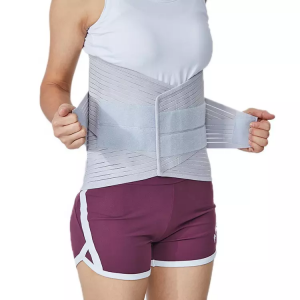
Flexible Lumbar Corsets and Belts mainly assist the lower back region. Basically, they are back braces for lower back pain. The Flexible Lumbar Corset looks like an average women’s corset. However, it also comes in varieties of designs and sizes.
Flexible Lumbar Corsets support and restrict movement with vertical plastic stays or metal at the front, back, and sides. Some designs do not have all the vertical stays and are removable.
As for the Flexible Lumbar Belts, they are made of sturdier fabric to create restrictions. Overall, they are still flexible enough to allow limited bending.
Cervical Thoracic Back Braces
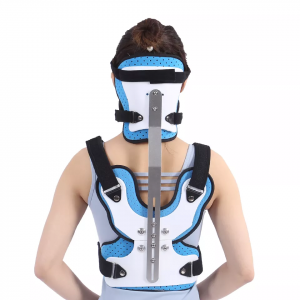
Cervical Thoracic Back Braces, also known as Upper Back Braces or Supports, tend to be bulkier and sizeable in comparison to the other types. Depending on the brand, Cervical Thoracic Back Brace can be full back support or just upper back support.
Medical practitioners recommend Cervical Thoracic Back Brace for people suffering from unstable thoracic and cervical regions. It is more restrictive than a Cervical Collar but provides incredible support.
Most Cervical Thoracic Back Braces are made of rigid materials for stability and layered with foam pads for comfort.
Soft Lumbar Belts
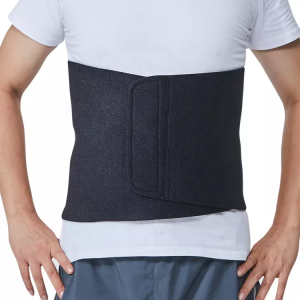
Soft Lumbar Belts, also known as Soft Back Braces, are made of breathable, restrictive fabric. They are adjustable and provide enough compression for the lower back. However, patients can still freely stretch and bend.
These Back Support Belts give immediate relief to back pain and sore back muscles. It is breathable and ideal for people who sweat much.
Sacroiliac Belts
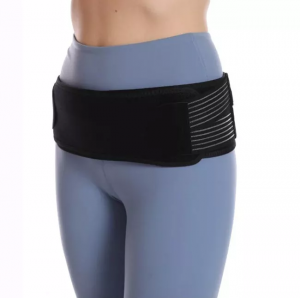
Unlike other Back Braces, Sacroiliac Belts targets specific joint. The Sacroiliac is the joint that connects the spine and pelvis.
Sacroiliac Belts are thinner, around three inches in width. It also makes it easier to hide underneath clothing. The fabric used for Sacroiliac Belts is breathable and hypoallergenic, making it an excellent option for people with sensitive skin.
These Back Braces are not as restrictive, which allows users to move freely. Although with straps, it is not as adjustable. So, make sure to purchase one with the appropriate measurements.
Hyperextension Orthosis
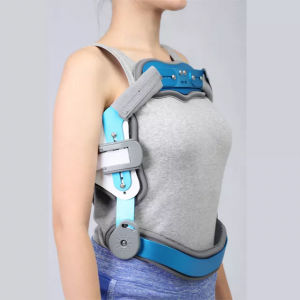
Hyperextension Orthosis is a type of upper back brace with an unusual design. It has a three-point pressure system to promote extension in the vertebrae.
This back brace also prevents the patient from rotating or flexing. However, the pelvic band is still flexible to allow the patient to stand and sit comfortably.
Hyperextension Orthosis has paddings, usually adjustable with a hook and loop fastener.
Thoracolumbosacral Orthosis
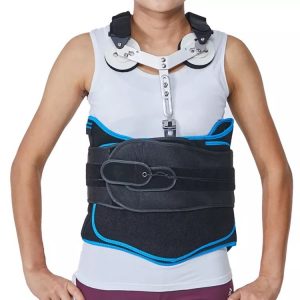
Medical practitioners prescribe Thoracolumbosacral Orthosis (TLSO Brace) for people that suffer from serious trauma or surgery. It provides after-care stabilization for the spine and back, mainly targeting the thoracic, lumbar, and sacral spine.
TLSO Brace is made of rigid material to provide maximum exterior stabilization. It is a common custom-made to fit the exact size of the patient.
Most Back Braces are prescribed for a few days or weeks. However, with TLSO Braces, medical practitioners let patients wear them for up to three months, depending on the medical treatment.
Request A Free Quote
We’d like to work with you
Send us a message if you have any questions or request a quote. Our experts will give you a reply within 24 hours and help you select the right valve you want.