
Arm/Shoulder Brace Manufacturer
Your Trustful Arm/Shoulder Supplier
Lynhealthtech is an arm brace manufacturer that offers two types of arm brace. All of our Orthopedic products are certificated by CE, FDA, and ISO13485. Our orthopedic brace factory in China produces ROM elbow braces and shoulder slings. Welcome to contact us for more information or request a full product categolue.
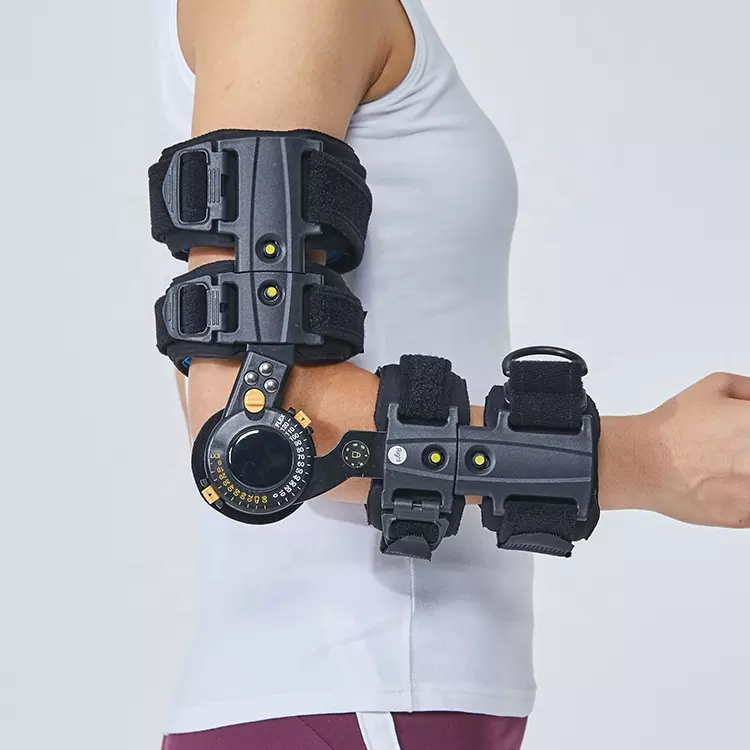
ROM Elbow Support Brace Immobilizer M002
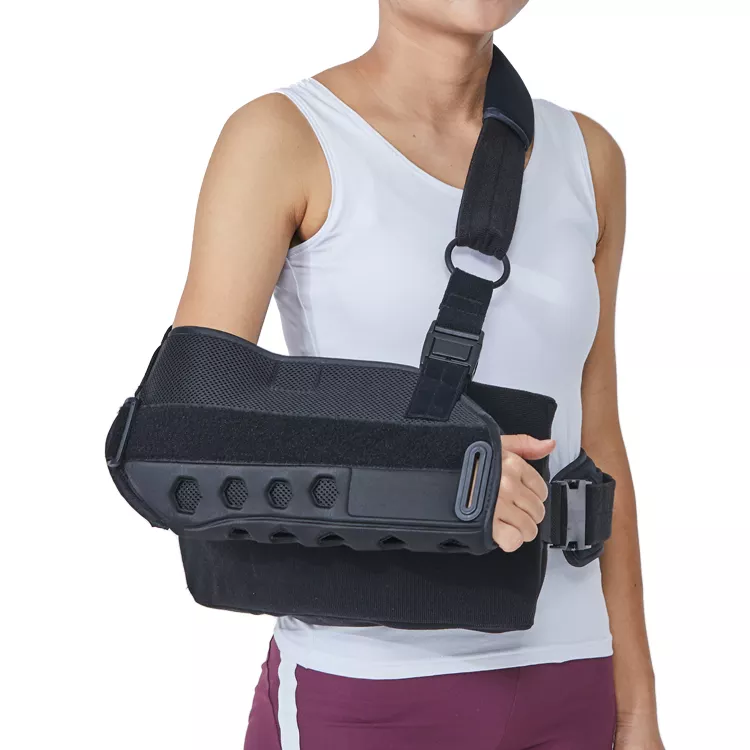
Orthopedic Shoulder Stability Arm Sling M001
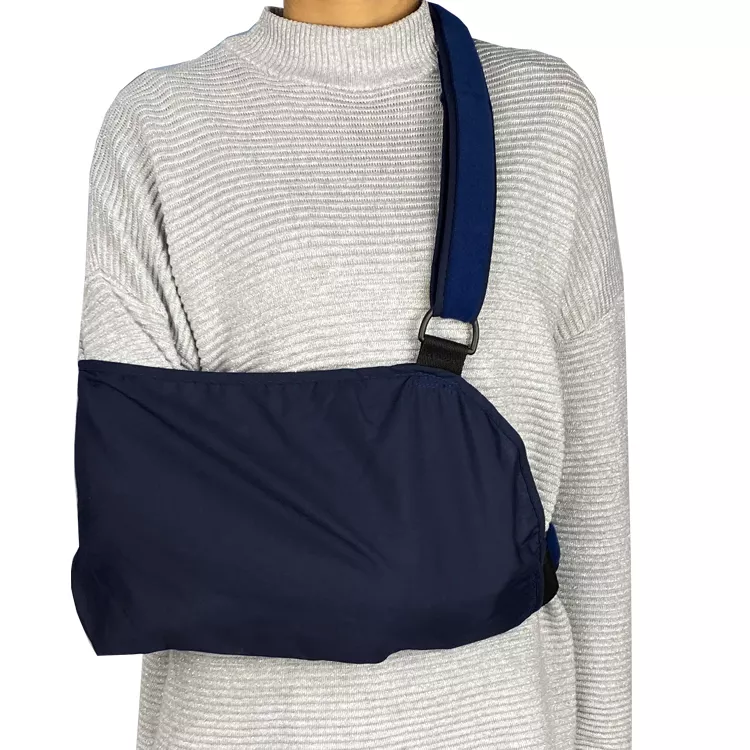
Arm Sling Shoulder Support Strap M008
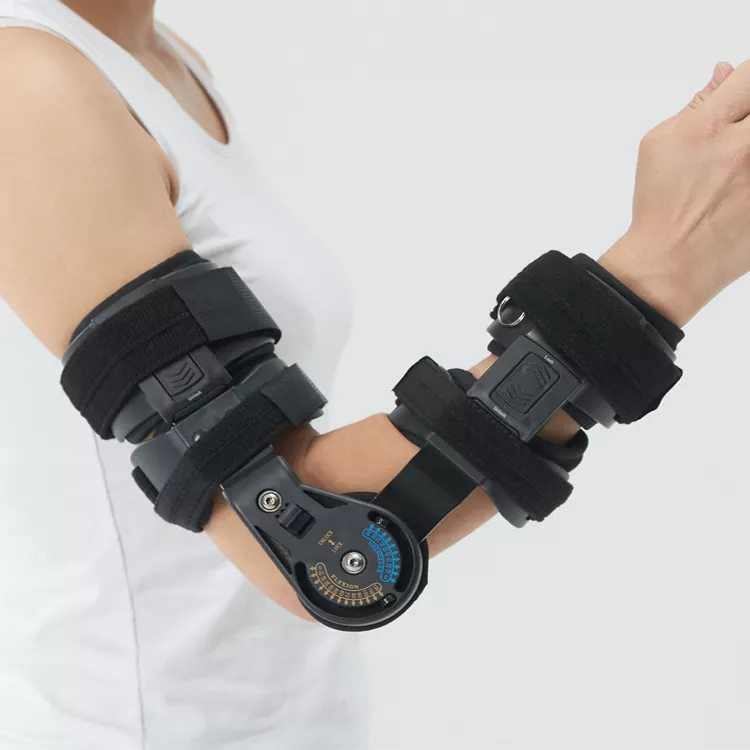
ROM Elbow Support Brace M006
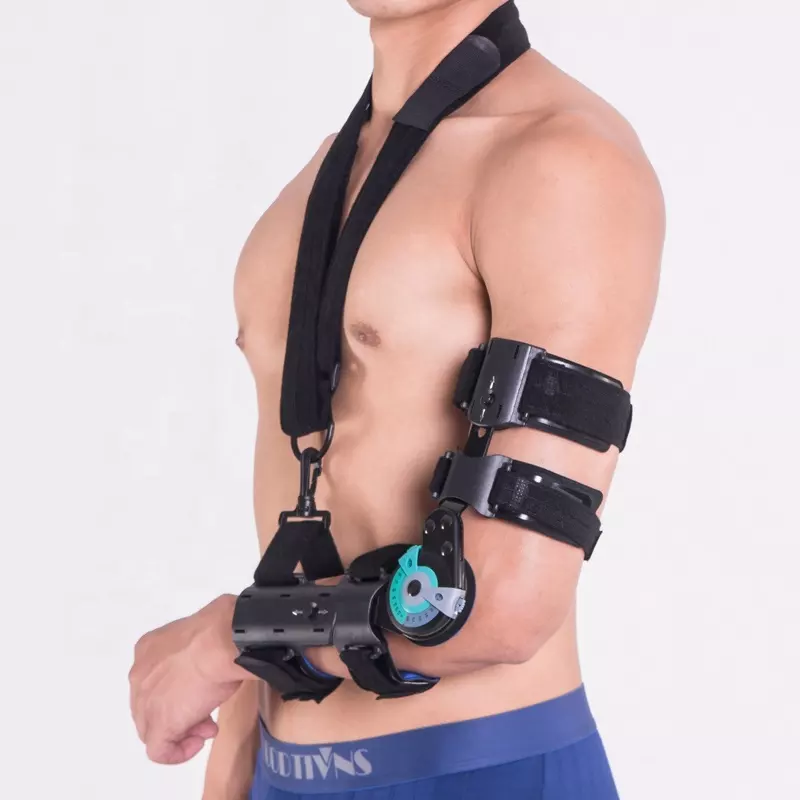
Telescopic Adjustable Arm Brace M007
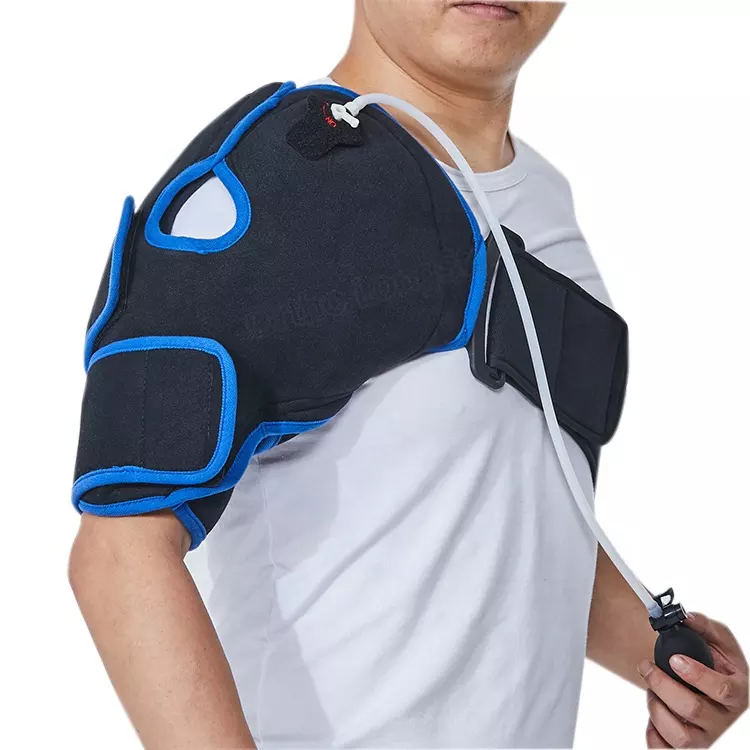
Pneumatic Ice Gel Shoulder Support Wrap M003
REQUEST A QUOTE FOR MORE DETAILS
All You Need To Know About Arm/Shoulder Brace
An arm brace is a medical assistive device that provides the necessary support to the shoulder and elbow in case of an injury, dislocation, or surgery. This device is designed to hold the glenohumeral joint and the associated muscles in place to aid stabilization or quicker recovery.
This article provides information about arm/shoulder brace, including understanding their benefits, knowing what to consider when buying them, as well as how do they work.
What Are Arm/Shoulder Brace Used For?
- Dislocation – Arm braces can help in keeping the dislocated joint in a properly aligned position.
- Bone Fracture – When bone is broken into two or more pieces, arm braces can support bone positioning for quicker recovery, usually after the initial treatment or surgery.
- Tendon Injuries – Wear and tear of tendons because of excessive usage or injury can cause pain and difficulty in movement. Arm braces can be used for temporary support and pain relief.
- Rotator Cuff Tear – Complete or partial tear of the rotator cuff can cause pain in the shoulder. Orthopedic doctor can advise people to wear an arm brace to cope with the symptoms after the treatment.
- Ligament Injuries – Arm braces can soothe the immense pain when ligaments are partially or completely torn.
- Sprains and Strains – Whether the ligaments or muscles are stretched or torn, the arm brace can help relieve the tension caused.
- Repetitive Use Injuries – It is highly likely to get repetitive use injuries when people continue working on a particular task for longer time span. The doctors might recommend arm braces for arm-related repetitive strain injuries (RSI).
- Carpal Tunnel Syndrome – It can result from the pressure on the median nerve in the hand. Symptoms usually include numbness, pain, or tingling sensation in the fingers and hands. In such a case, an arm brace can give the necessary support.
How Does Arm/Shoulder Braces Work?
Arm braces work by immobilizing your arm and restricting its movement only to a narrow angle. It also offloads the stress from the affected area to the surroundings, which is often required to initiate the healing process.
By limiting or restricting arm movement, an arm brace can keep your muscles in a rested position, thus speeding up the recovery process. Besides, lesser movement can reduce further wear and tear in the muscles too.
Moreover, the resistance offered by the arm braces also aids in muscle strengthening. It is often required during rehabilitation after muscle injury.
Benefits of Arm/Shoulder Braces
Below are some specific benefits patients can expect through the use of arm braces
- Support
The arm brace supports the shoulder, arm, forearm, and hand. The necessary support can reduce the weight and stress from the affected area, resulting in reduced pain and better healing speed. Besides, the injured muscles can rest with the available support to focus on recovery.
- Compression
The compression provided by the arm brace can increase the number of receptors signaling the brain about the position sense of the shoulder. It helps the brain better understand the proper shoulder position. Moreover, compression reduces pain and inflammation by improving blood flow, thus speeding up recovery.
- Protection
Wearing arm braces can offer necessary protection after injury. There are superficial tendons, muscles, and ligaments present just beneath the skin, so using arm braces can protect them from further damage. It ensures that patient doesn’t knock into something accidentally, straining the already injured muscles.
- Strengthening
The arm braces with flexible straps provide a strengthening exercise to the muscles by offering them resistance. Every time the arm is moved, the muscles involved have to work harder against the strap resistance. Usually, after an injury or accident, the muscles and joints get weaker, so such an exercise can help muscles build strength.
Types of Arm/Shoulder Braces
There are two main types of arm braces. Orthopedic manufacturers divide them into further sub-categories depending on the support function, material, and the exact part of the arm it caters to.
ROM Elbow Brace
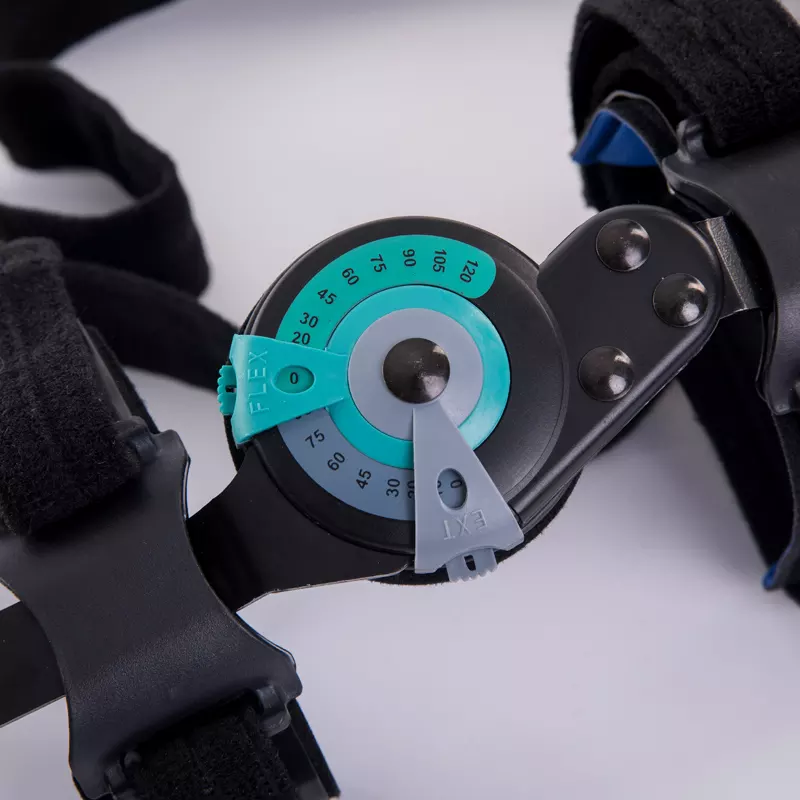
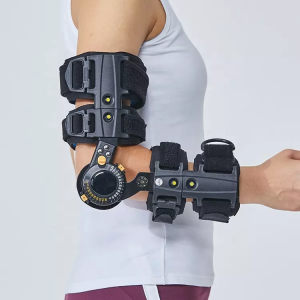
It is a brace designed to keep patient’s elbow in a fixed position. It is often used in elbow injuries or post-surgical management where the elbow or other associated parts might need to remain stationary. Apart from the standard type, advanced ROM elbow braces are also available, with padded suspension cuffs and extra lining to secure the elbow to the maximum.
Shoulder Sling
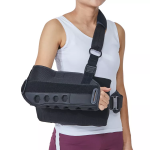
A shoulder sling is an arm brace that covers the entire arm supporting the elbow and associated area in case of surgery, pain, or minor injury. This arm brace is sometimes worn around the neck with back support. Such braces ensure arm’s proper positioning and the necessary support.
Considerations When Buying Arm/Shoulder Brace
Several factors such as arm brace functions, specific indications, and the types of arm brace are just a few of the buyer considerations.
#1 Material
Neoprene
Neoprene is a lightweight material with higher flexibility. The arm braces made from this material are durable and can provide the necessary resistance to let the muscles move considerably while strengthening them at the same time. Neoprene also has moisture-wicking properties, making it suitable for use in hot weather conditions.
Cotton
One of the other materials used in the construction of arm braces is cotton. Cotton arm braces can ensure breathability; however, they are not as durable as the other material available used in arm braces production.
Nylon / Nylon Mesh
Nylon is a great material for cradling arms and is often used in a sling. Besides, it is capable of adjusting to the body shape, making it easier for your arm to have it around. The use of nylon mesh adds breathability to the arm brace too.
#2 Size
The size or the tightness of arm/shoulder braces matters. Wearing the incorrect size of arm brace can prevent the support from being effective, or may even add to your risk of injury. This is true for arm brace sizing that is too tight or too loose on your arm or shoulder.
#3 Compression Therapy (Hot/Cold)
The need for hot or cold therapy can also impact people’s decision to find a suitable arm brace. Hot therapy supporting braces are often used to reduce muscle stress. Alternatively, cold therapy braces help by decreasing the blood flow and limiting the inflammation within the arm muscles.
#4 Range of Motion
The injury will dictate the allowed motion in the arm. A few braces work as stabilizers, while the others are immobilizers. Stabilizers offer support as well as enable some amount of movement, while immobilizers totally restrict the movement for a speedy recovery.
Request A Free Quote
We’d like to work with you
Send us a message if you have any questions or request a quote. Our experts will give you a reply within 24 hours and help you select the right valve you want.