
Wrist & Thumb Brace Manufacturer
Your Trustful Wrist & Thumb Brace Supplier
Lynhealthtech is an wrist & thumb Brace manufacturer that offers four types of wrist & thumb braces. All of our Orthopedic products are certificated by CE, FDA, and ISO13485. Our orthopedic brace factory in China produces hand wrist splints and wrist wraps. Welcome to contact us for more information or request a full product category.

Orthopedic Wrist Support Brace Splint
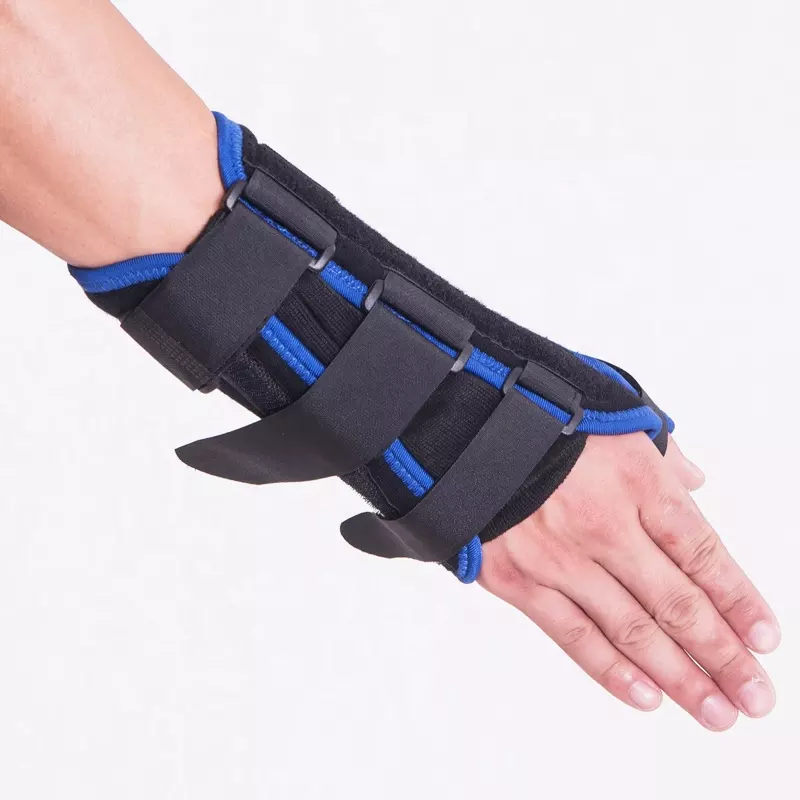
Thumb Spica Splint
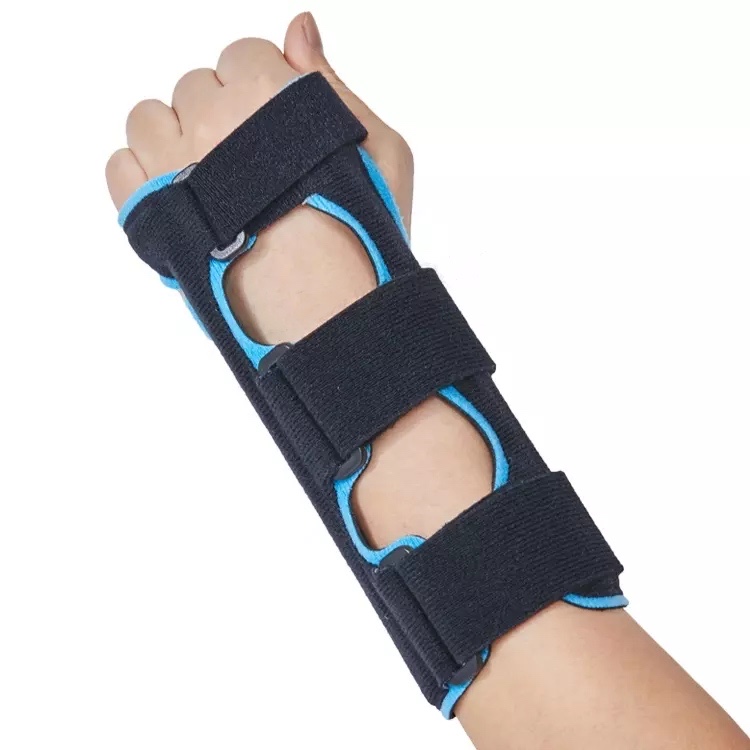
Orthopedic Hand Brace Wrist
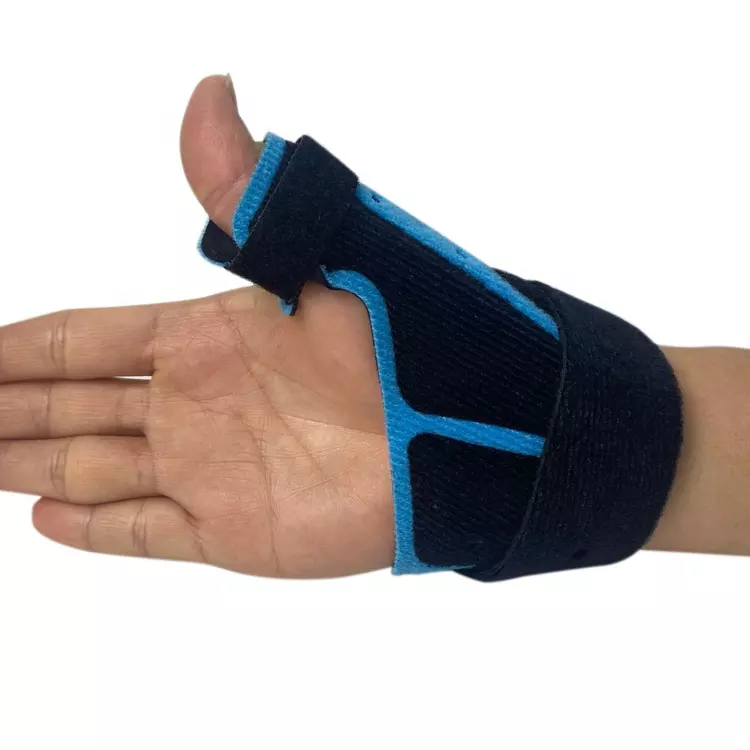
Hand Wrist Brace Support
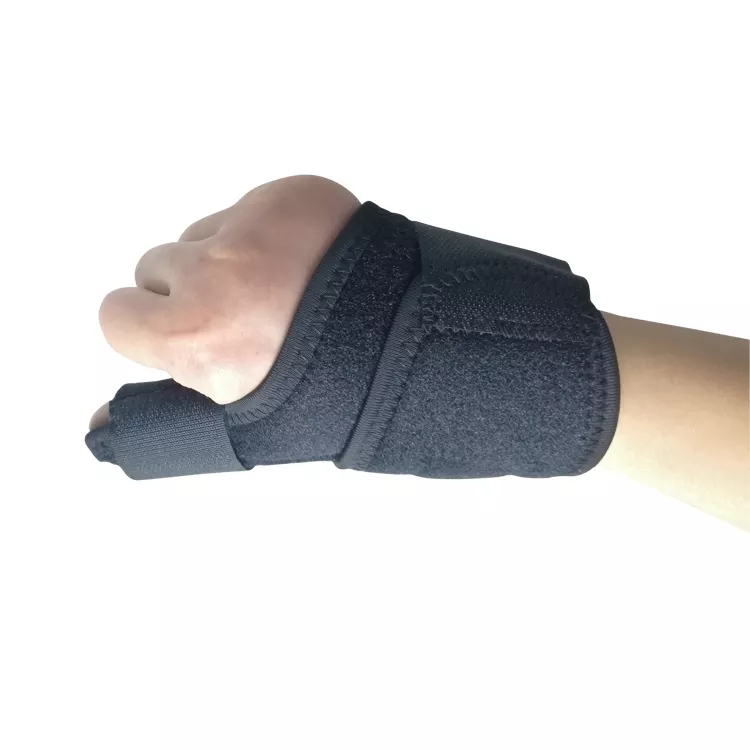
Thumb Wrist Brace Belt
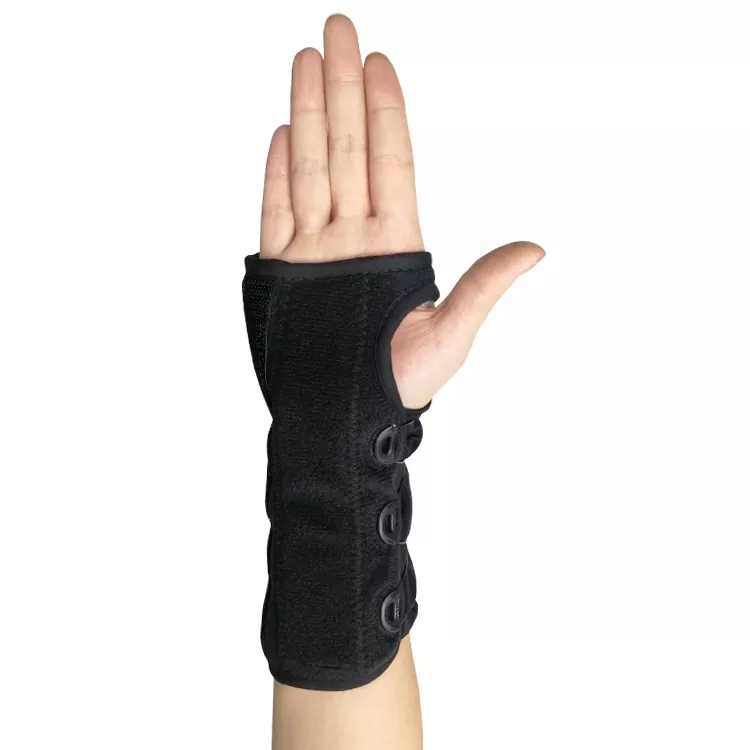
Carpal Tunnel Wrist Support
REQUEST A QUOTE FOR MORE DETAILS
All You Need To Know About Wrist & Thumb Brace
Wrist & thumb braces support the thumb, wrist, and hand in case of a fracture or injury and assist in healing. They partially or completely restrict movement so the bones, ligaments, and tendons in hand can recover quickly, and people can perform activities of daily living normally (again).
This article provides information about wrist & thumb brace, including understanding their benefits, knowing what to consider when buying them, as well as how do they work.
What Are Arm/Shoulder Brace Used For?
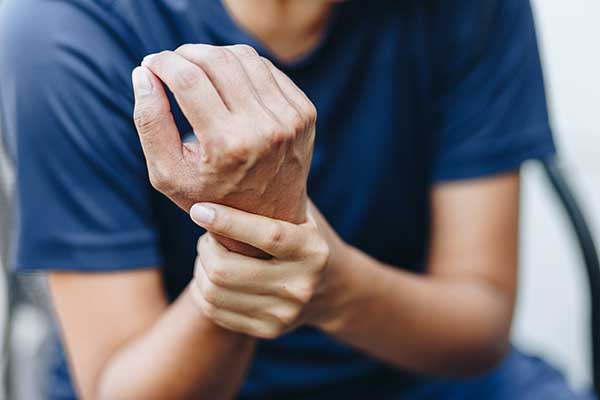
● Carpal Tunnel Syndrome — Carpal Tunnel Syndrome mainly occurs in computer operators or those who indulge in repetitive hand motion. It causes numbness, tingling, or pain in hand or fingers due to constant pressure.
A carpal tunnel wrist brace addresses this complication caused by the compression on the hand’s median nerve. It appears as a fingerless glove and usually immobilizes wrist movement to reduce pressure on the median nerve.
● Tendonitis — Tendonitis is the inflammation of tendons after an injury. It can affect the tendon’s movement, leading to pain and stiffness. A wrist brace or thumb spica splint helps recovery by providing support and compression to the affected area. However, wearing these braces for a few days is recommended for the best result.
● Fractures — Fractures occur due to a crack or complete breaking of the bones. It is a serious injury and requires splints for total immobility. Splints provide the maximum support to the hand, wrist, or thumb and restrict any movement. It immensely helps bones to align properly and recover quickly.
● Arthritis — Arthritis is the inflammation of joints that causes pain in movements. It is most common in older people, but anyone can suffer from it. In such cases, the wrist and thumb braces help limit hand movement and reduce pain and discomfort by transferring the weight away from the affected areas.
● Sprains — Sprains are tearing or overstretching of ligaments and are among the most common hand diseases in athletes or senior citizens. Although people can cure mild sprains at home, moderate to severe sprains, demand some support for hands, like braces or splints. They immobilize hands or wrists till ligaments completely heal and are ready to bear stress.
How Does Wrist & Thumb Braces Work?
The braces restrict thumb and wrist movements by providing support before and after the surgery. They relieve pain, prevent further injury and speed up the healing process. Braces keep the wrist and thumb stationary in case of a fracture and dislocation, thus reducing the chances of further dislocation while allowing the bones to fuse in a correct alignment.
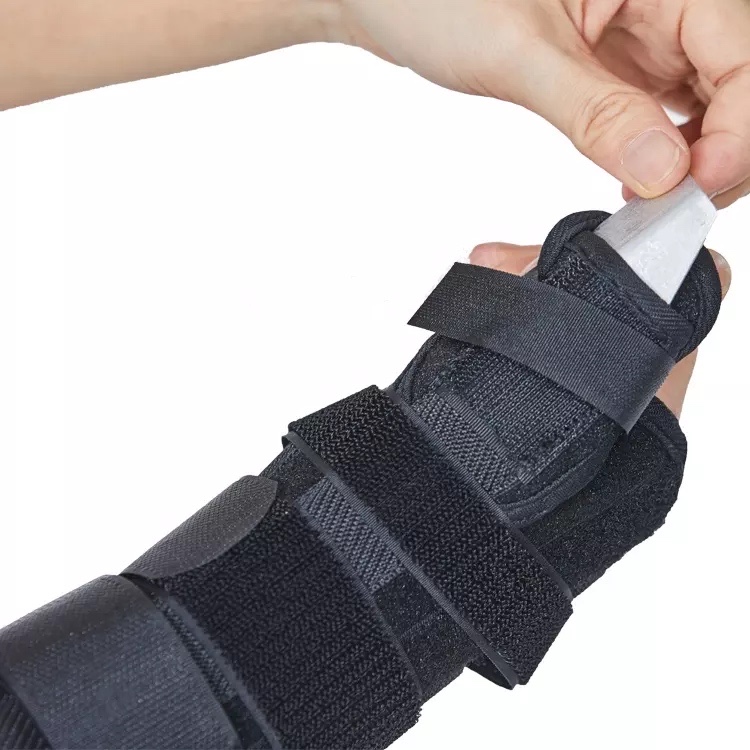
Some braces provide compression that helps to reduce inflammation and swelling. The compression applies pressure to the affected area by increasing the blood flow to the joints and relieving the pain. You can adjust the compression from the straps or velcro.
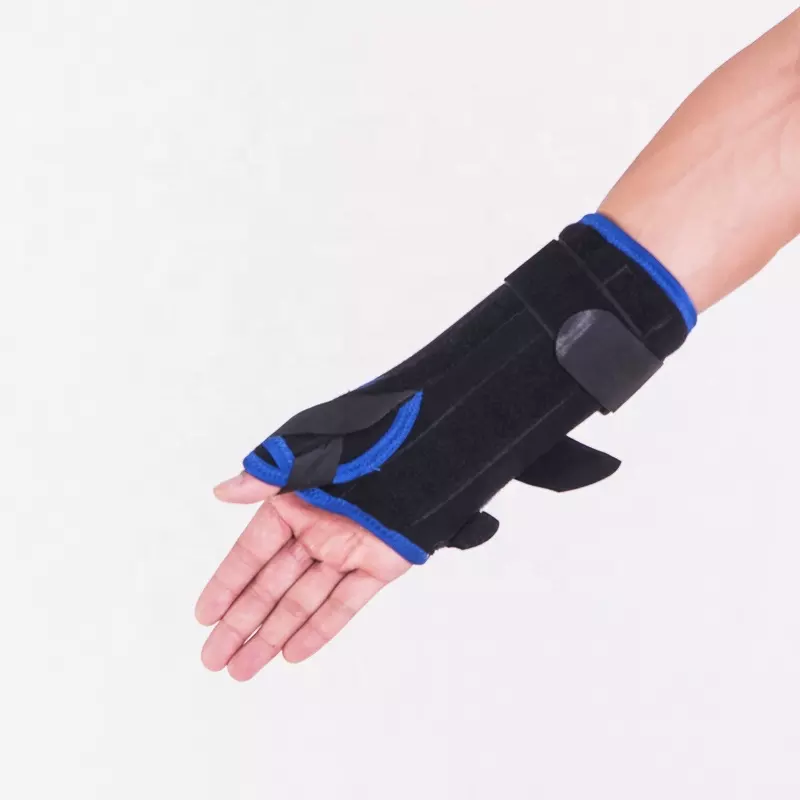
Usually, the wrist braces have a lightweight metal bar at the palmar surface of the hand to maximize support and restrict the wrist from bending. This way, it secures the wrist in a neutral position to prevent strain on tendons.
On the other hand, thumb spica splints immobilize the thumb by offering maximum stability in conditions like de Quervain’s syndrome, gamekeeper’s thumb and osteoarthritis. However, it allows the fingers to move freely.
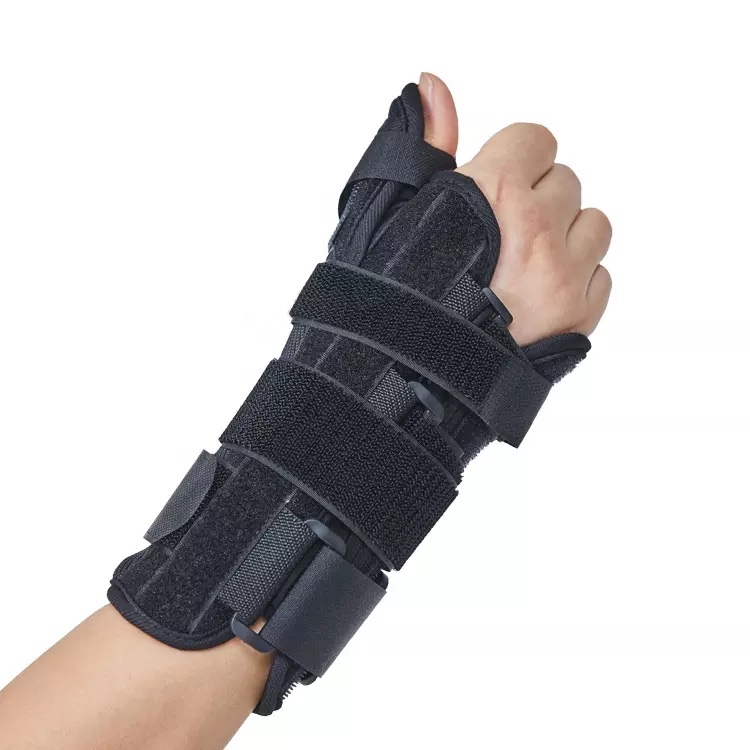
Benefits of Wrist & Thumb Braces
Below are some specific benefits patients can expect through the use of wrist braces
1. Stabilization
Braces’ biggest benefit is their primary function, stability. They restrict unnecessary movements of the affected part, which can worsen the injury. Moreover, they provide sufficient support so the muscles and tissues recover rapidly without any other complications.
2. Reduce Swelling
Mostly, these braces are made from breathable and plushy material to offer maximum comfort. But some advanced-level ones have straps or Velcro for adjustability and provide even compression. It helps to reduce swelling by applying pressure over the affected area, thus reducing pain and inflammation.
3. Helps Post-Surgical Healing
Doctors advise wearing braces or splints to patients who undergo wrist or hand surgeries. Since the newly treated area is prone to damage, the braces offer protection from injuries or inappropriate movements. Hence, it enhances healing and recovery.
4. Supports
During Repetitive Tasks The main difficulty appears while performing repetitive tasks with the suffering hand, like typing. A splint, or carpal tunnel wrist brace, in this case, provides the necessary support for comfortable operation without straining the hand or wrist.
Types of Wrist & Thumb Braces
There are four types of wrist braces. Orthopedic manufacturers divide them into further sub-categories depending on the support function, material, and the exact part of the wristit caters to.
1. Sleeve
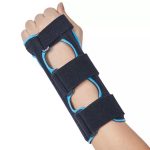
The sleeve brace mostly supports wrist movements and comprises polyester or neoprene. As it stretches from the palm to half of the arm, a sleeve provides mild support to the wrists with slight movement. It is usually suitable for addressing swelling, mild arthritis, wrist pain, and moderate tendonitis.
2. Hand Wrist Splint
The hand wrist splint is an advanced-level sleeve comprising rigid materials like hard plastic or lightweight metal. It partially or wholly immobilizes movement to address moderate wrist pain, severe arthritis or tendonitis, post-operation recoveries, and fractures.
3. Wrist Wrap
The wrist strap is a lighter version of the sleeve as it merely supports the wrist from sudden movements. The wearable is made from neoprene or elastic material, while some have straps or Velcro for adjustability. They usually target mild recoveries or some instabilities. However, it is sometimes suitable when arthritis’s early symptoms appear.
4. Thumb Spica Splint
The thumb spica splint primarily supports thumb injuries and fractures by restricting movement. It is usually worn for moderate arthritis or soft tissue injuries, while some advanced splints are designed to support thumb fractures.
Considerations When Buying Wrist & Thumb Braces
Several factors such as wrist brace functions, specific indications, and the types are just a few of the buyer considerations.
#1 Material
Neoprene
Neoprene is widely used in braces manufacturing as it is durable, lightweight, and breathable. It is also non-stretchy, which helps immobilize the parts for faster healing.
Nylon Blend
Nylon blend is common in braces designed for long-term use due to its durability and lightweight nature. It is also a breathable material, avoiding sweaty hands.
Polyester
Polyester is used to make lightweight and cheaper braces. It also demands less maintenance, so mainly used in splints for longer wearing. However, it is less breathable as compared to the others.
Bamboo Charcoal
Bamboo charcoal is a softer and more comfortable material that increases the flexibility of the braces. So, it helps in providing better compression and is used where mild support is required.
#2 Size
The next important factor is the size which shouldn’t be too loose or tight. Typically wrist braces have adjustable straps to wear it at a comfortable tightness. However, size can become a concerning point in thumb braces. Ensure the brace or splint fits your hand perfectly, as it is vital for maximum support.
#3 Type
It is also essential to determine whether you need a wrapping type, a slipping-on-and-off compression type, or a hybrid of wrap and sleeve. Analyze what your injury is, then select accordingly.
Usually, wrapping ones are suitable for inflammation, while compression ones are for pain or fractures. In contrast, wraps and sleeves provide the luxury of both types and are suitable for many diseases or injuries.
#4 Level of Support
Another crucial factor is understanding which level of support you need. Mild supporting braces are good for minor or quick-healing injuries. They are also flexible and less hindered in routine operations. Moderate supporting braces are suitable for injuries like tendonitis, sprains, or carpal tunnel syndrome. They are commonly wrap-styled and made from semi-rigid materials.
Lastly, maximum supporting braces completely immobilize movements and are best for severe conditions like fractures. They are made from rigid or semi-rigid materials to keep the bones in place firmly so they recover better.
Request A Free Quote
We’d like to work with you
Send us a message if you have any questions or request a quote. Our experts will give you a reply within 24 hours and help you select the right valve you want.