
Lynhealthtech is an orthopedic ankle brace manufacturer that offers seven types of ankle brace. Lynhealthtech is also a supplier of hinged ankle brace, night splint and Stirrup. Welcome to contact us for a full catalog.
Ankle braces are lightweight, easily transportable medical devices designed to treat a variety of musculoskeletal issues. They aid in the healing process by stimulating new bone and muscle growth, restoring mobility and function, and shielding vulnerable areas.
Because of their versatility, ankle braces are frequently administered to patients following medical procedures or accidents. Many people with chronic health issues benefit from wearing them.
This article provides information about ankle brace, including understanding their benefits, knowing what to consider when buying them, as well as how do they work.
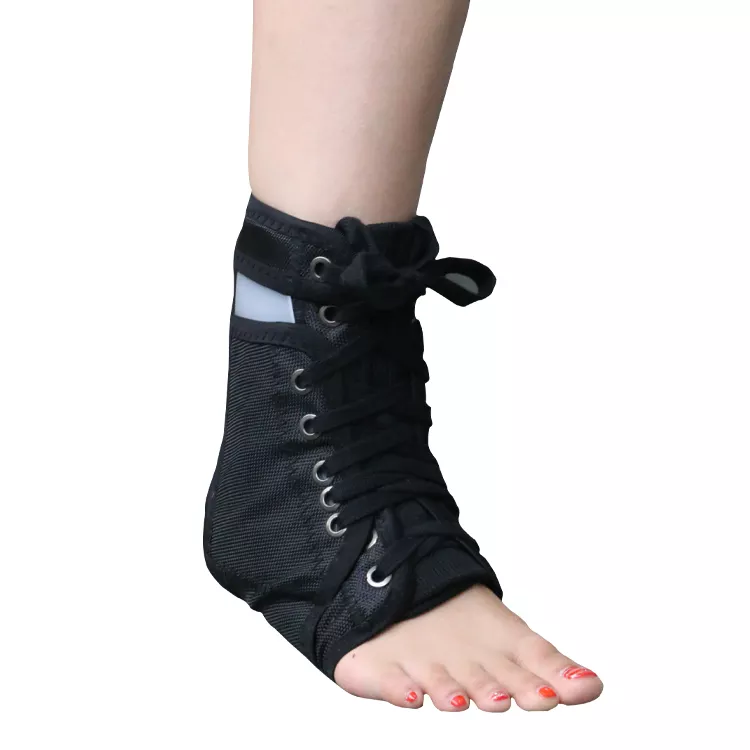
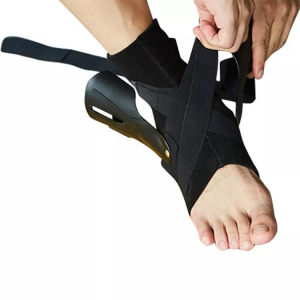
1. Lace-ups ankle braces – are more flexible than traditional braces and allow for a custom fit. They nevertheless offer some ankle support, even if they are lighter and thinner. People who have been injured or are prone to ankle sprains may benefit greatly from this brace. Researchers found that lace-up ankle restraints hampered performance by preventing the ankle from moving freely.
2. Rigid ankle braces – provide the most support for fixing and preventing problems because they let you move forward, backward, and up and down without being limited. Helps people heal faster from injuries. high level of protection without sacrificing ease of use. Depending on your needs and preferences
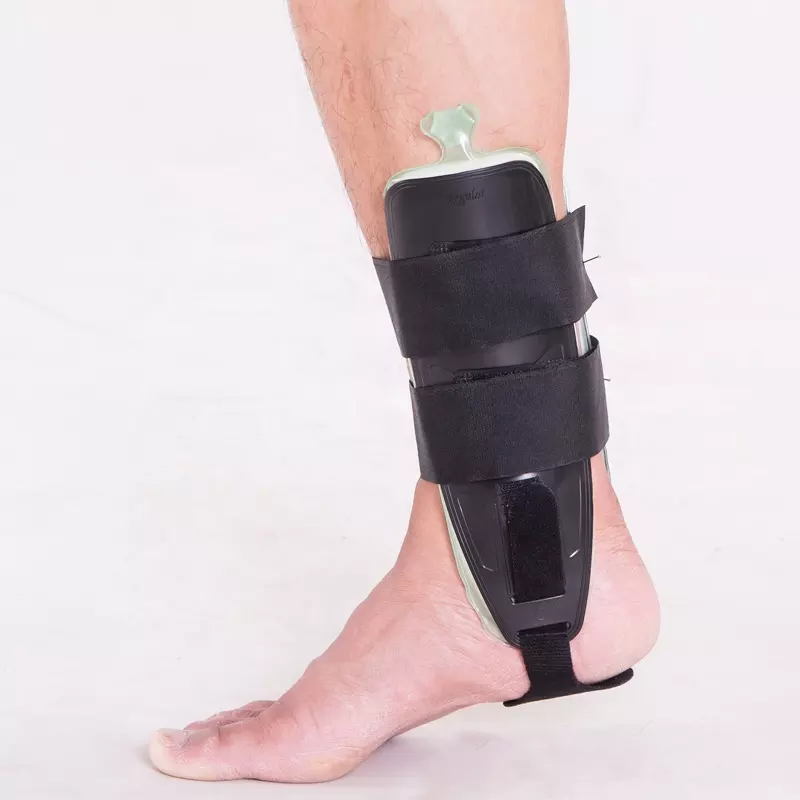
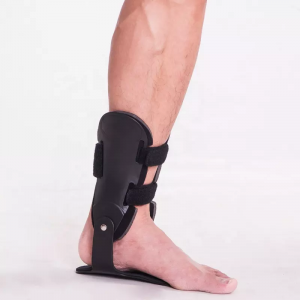
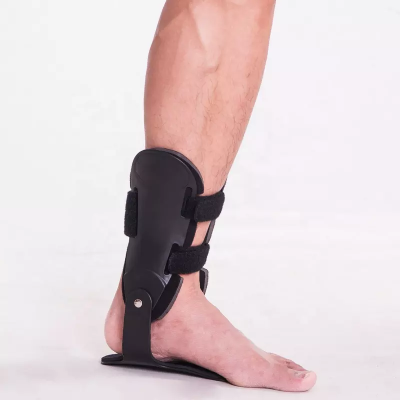
3. Hinged ankle braces – Injuries to the ankle can occur when the foot rolls inward or outward, which is why a hinged ankle brace is so useful. The U-shaped plastic shell provides superior protection from ankle twists by distributing the stresses that would otherwise be transmitted directly to the lateral ankle ligaments.The innovative hinge design allowed the player’s ankle to move freely, allowing them to run and jump.
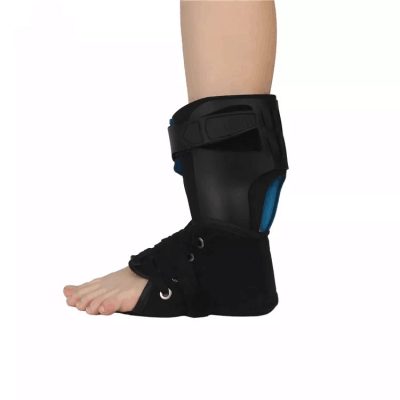
1. Lace-up Ankle Brace
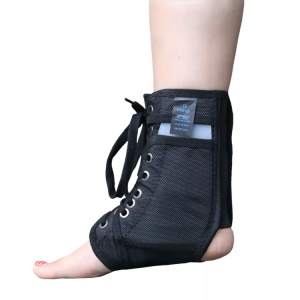
Since these braces can be tied as tight as possible, they may give the wearer a false sense of support at first. However, as they limit the normal range of motion of the ankle, they lose their effectiveness. Even though lace-up ankle guards may seem comfortable because they are made of fabric, this material is less durable and will easily rip, tear, and start to smell bad over time.
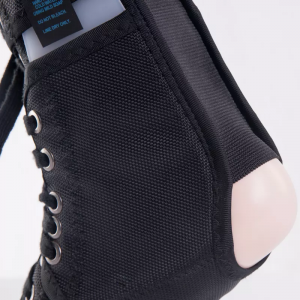
Ankle braces with laces are softer braces that can be tightened around the ankle with the help of the laces. Even if they are lighter and thinner, they can still provide some support for the ankles. This type of brace is great if you tend to get ankle sprains or are healing from one.
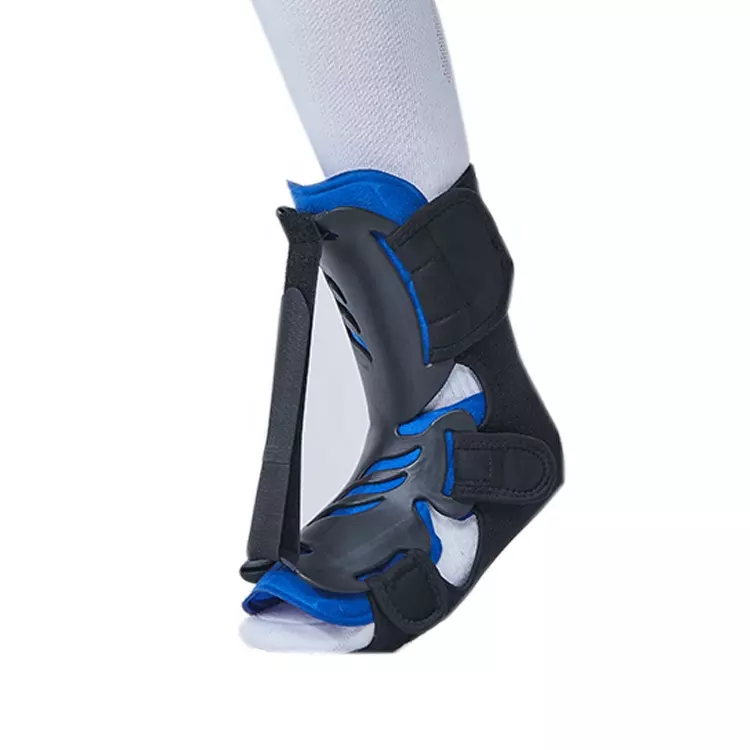
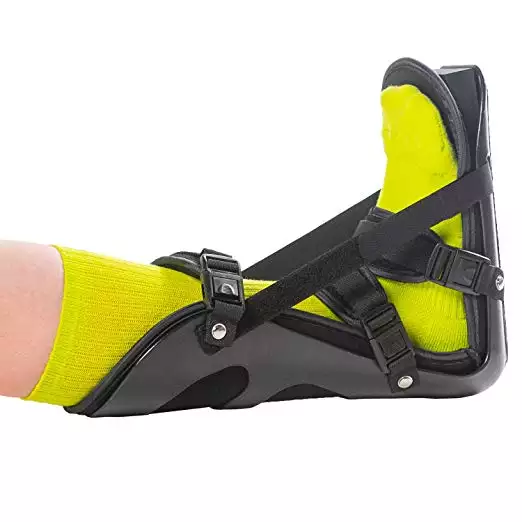
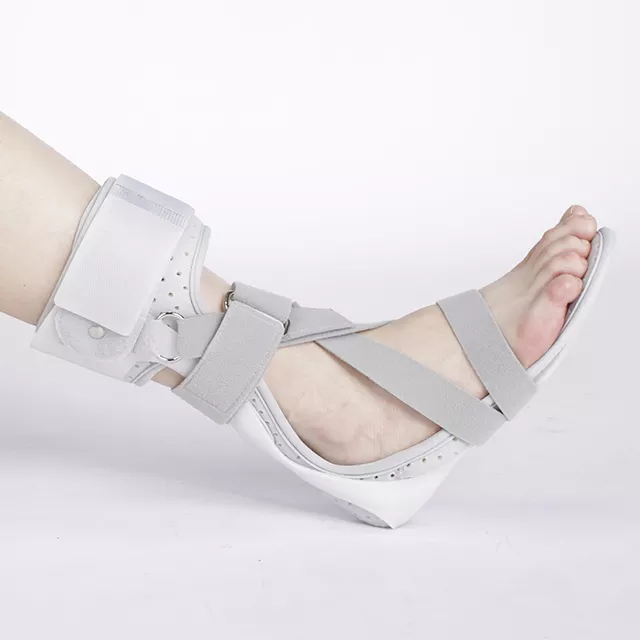
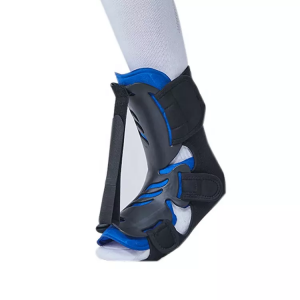
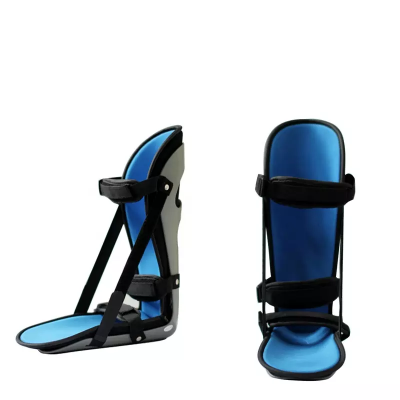
3. Night Splint
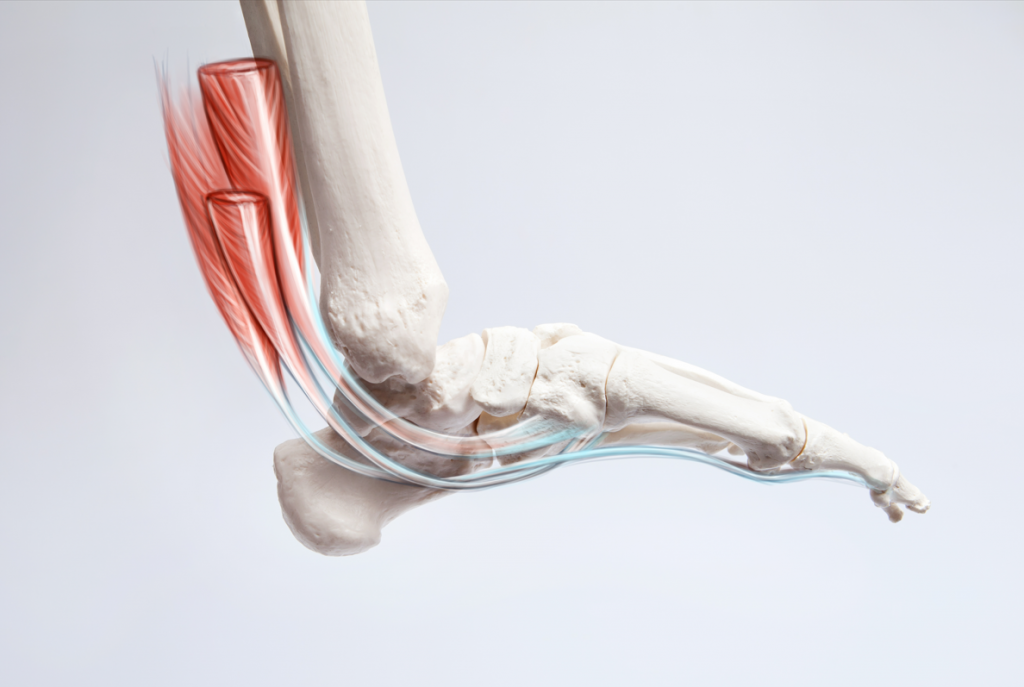
The splint will keep your foot in an elevated position, with your toes pointed upward. The plantar fascia receives a continuous, mild strain in this position. The Achilles tendon in the heel’s back area is also stretched, preventing it from tightening. Night splints can be worn nightly for a few weeks or months. Then, if your symptoms improve, you can lower the frequency with which you take them.
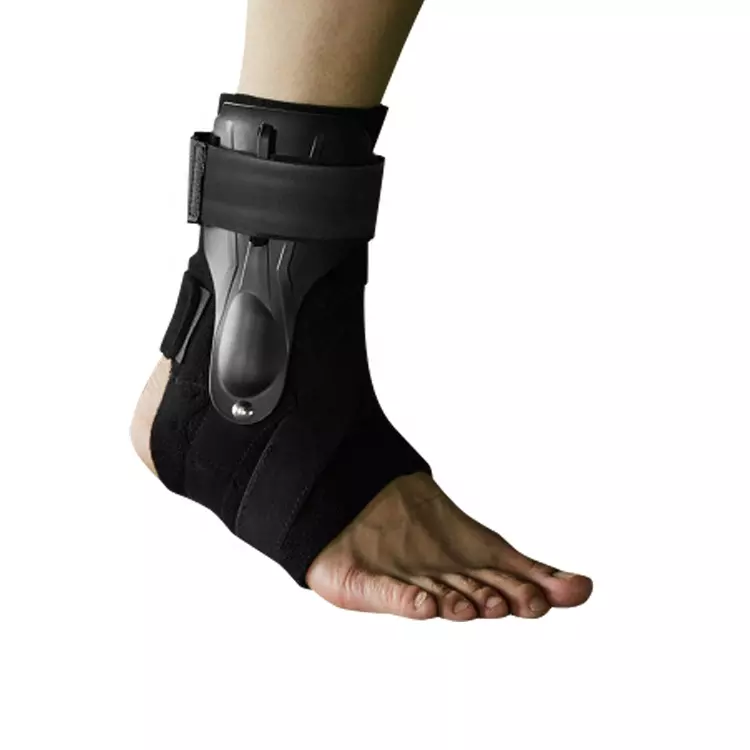
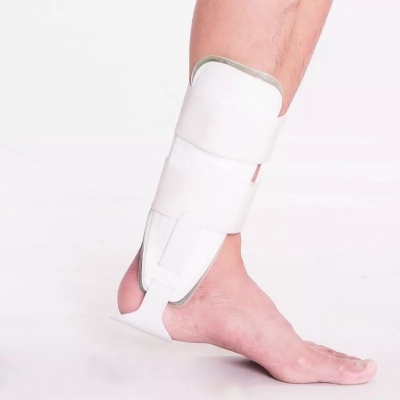
2. Hinged brace
It keeps muscles strong and improves performance by letting them move in all directions. Even though this is a benefit of using a hinged brace, it is not the main reason why the most advanced elbow, ankle, and knee braces are made this way.
The main reason knee, elbow, and ankle braces have hinges is to give long-lasting support to the joint. When the brace can move freely within a range of motion that won’t hurt, the straps that hold it to the joint stay securely in place, giving support for the whole practice or game.
4. Rigid Ankle Braces
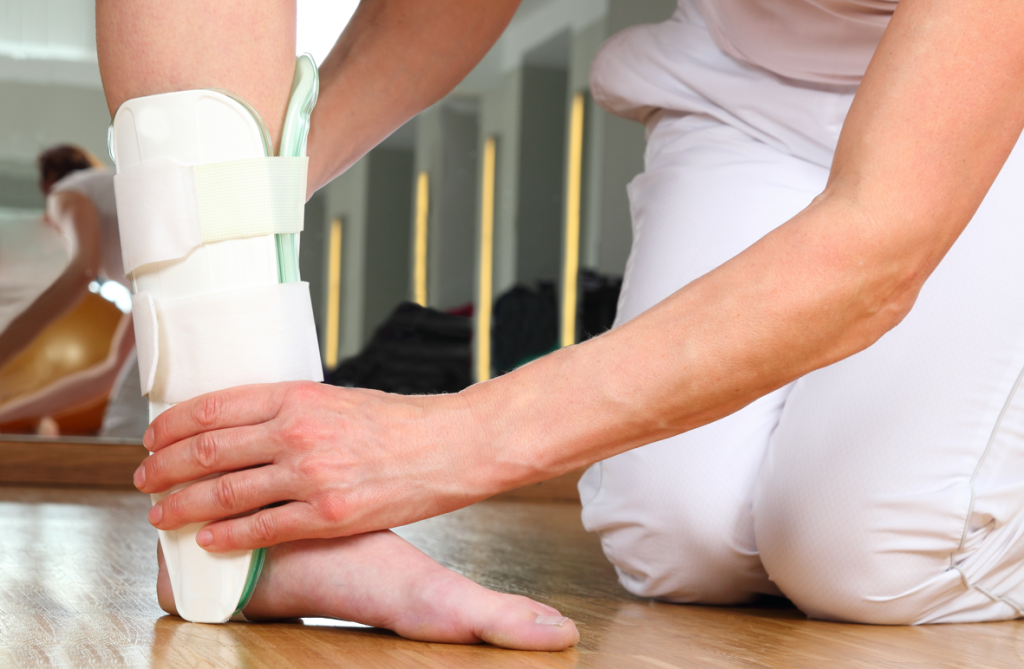
A rigid ankle brace is used to treat sprains and injuries to the ankle that are more severe. These supports help keep the ankle from moving and may apply pressure to reduce swelling caused by the injury. Most of the time, they are thicker and less flexible than ankle supports that you tie.
● Stops the ankle from turning inward or twisting
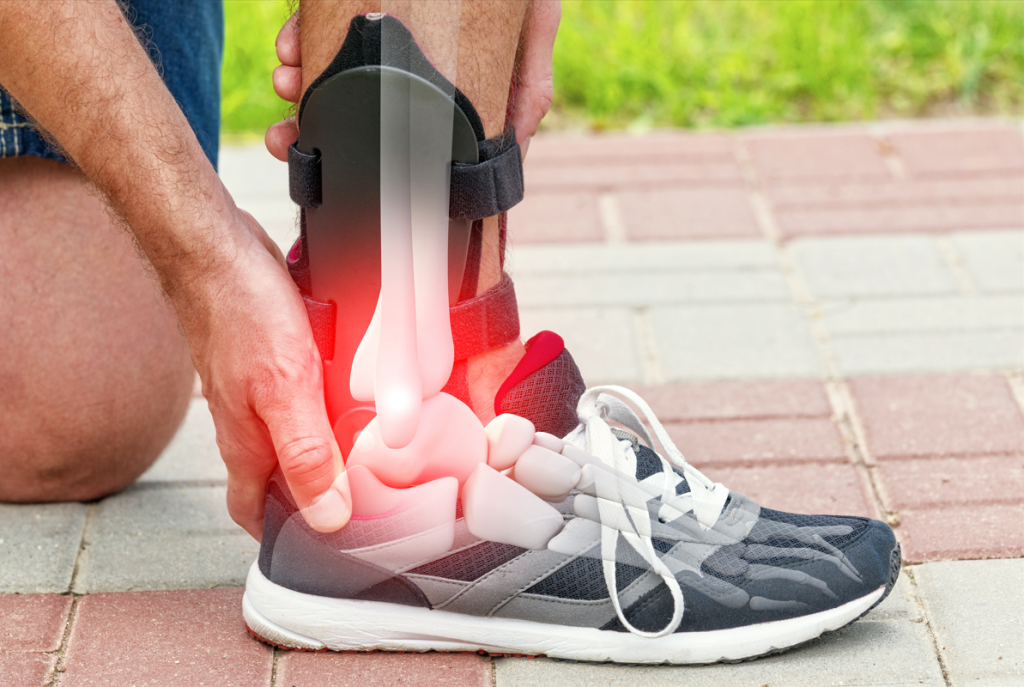
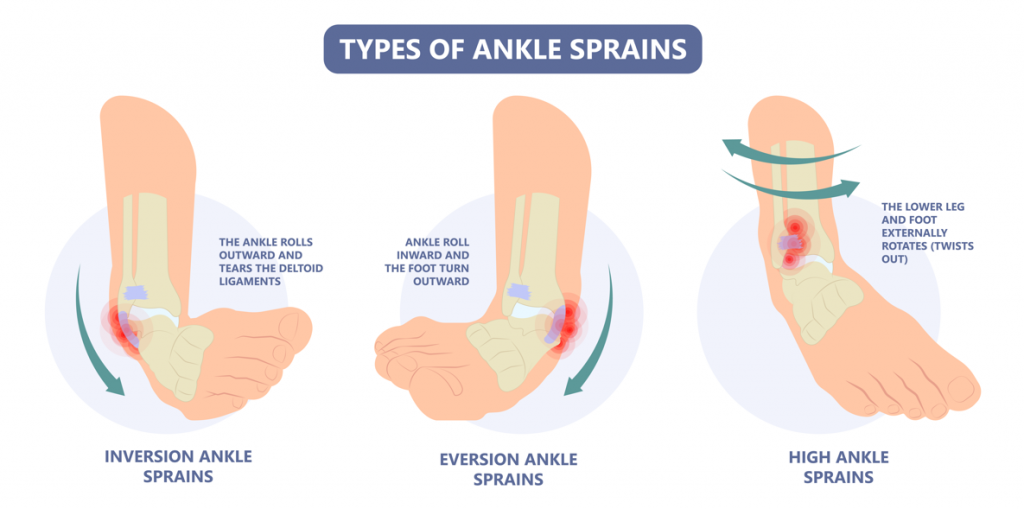
An ankle brace keeps the foot and toes facing forward and stops the foot and ankle from turning inward or twisting. Most ankle sprains, which happen when ligaments, tendons, and other soft tissues are stretched or torn, are caused by a sudden twisting or rotation of the ankle joint, such as when stepping off a curb or stair or running on a rough, uneven surface.
● Support the joint and keep it from getting hurt
Ankle braces to support the joint and keep it from getting hurt again. Bracing reduces both short-term and long-term pain, and it also stops scar tissue and arthritis from forming.
● Help stop certain movements
Ankle braces are external supports that help stop certain movements, like plantar flexion and inversion, which are movements at the ankle joint that point the foot down away from the leg and twist the foot inward. They also help the ankle joint become more aware of its surroundings.
● Ankle support provide stability
Walking when injured will be much simpler and less excruciating if you use an ankle brace because it will keep your foot and ankle stable. People who are more prone to accidents than others can greatly benefit from this feature since it prevents the ankle from being shaken or injured.
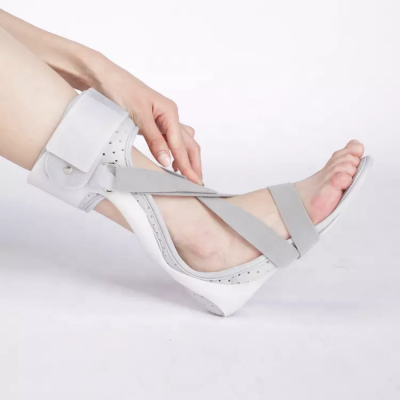
● Ankle Foot Orthosis
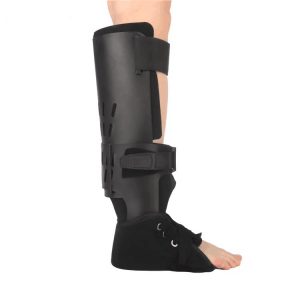
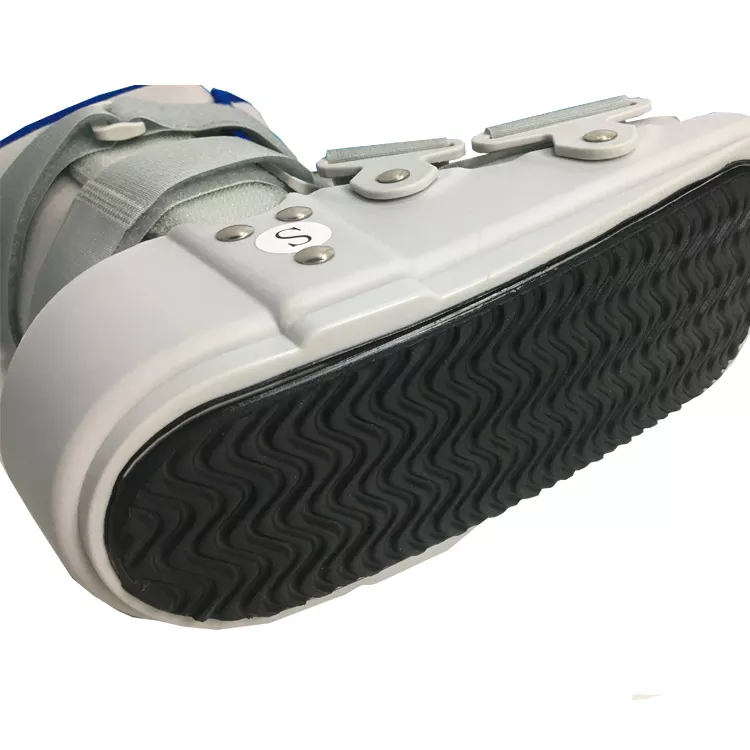
The high-top walker boots run from the middle of the calf to the toes. They are suitable for foot, ankle, and mid-calf injuries. The doctors usually recommend these boots for extra stability, protection, and support (mainly for severe injuries).
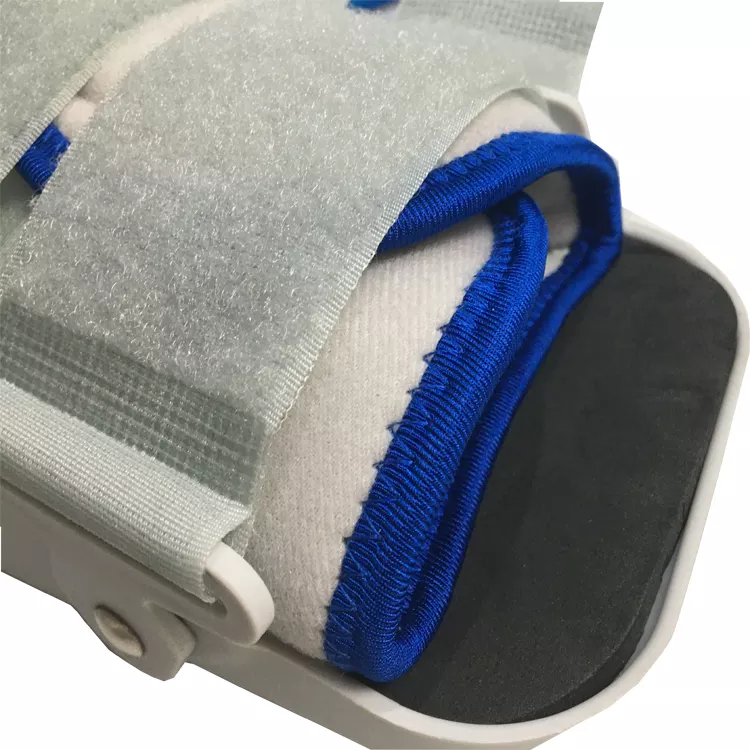
The high-top boots are made from hard plastic or an outer layer of lightweight metal, like aluminum. They have straps or Velcro for fastening to a comfortable level and providing maximum support.
● Hinged Ankle Brace
Air-cast walker boots, also known as pneumatic walker boots, have air cushioning for extra comfort and compression. The air cushion absorbs any slight shock that may negatively impact your affected foot.
The enhanced compression improves blood flow while immobilizing the ankle as well, making recovery faster. The boots are suitable for mild injuries like muscle tears or pains but usually don’t serve well for severe cases like fractures or damaged ligaments.
● Ankle Strap
The non-air walker boots don’t have air cushioning as the inflatable packets are absent. These boots are typically recommended to patients with minor injuries like heel pain, bunions, or inflammations.
These boots provide less protection and support than the above ones, so they are less preferred. However, the non-inflatable walkers are an economical solution as they at least provide basic support.
● Rigid Ankle Brace
The ROM (Range of Motion) line walker boots provide some movement flexibility. They fix the ankle to a certain degree or enable it to move comfortably between a set range of movement.
With these types of boots, people can get more than 90 degrees of flexion; if needed. However, it is best to consult your doctor about whether ankle mobility is favorable for healing or not before buying these boots.
● Lace-Up Ankle Support
The low-top waker boots cover the area just above your ankle or lower calf to the toe, like shoes. They are suitable for mild to severe foot, lower ankle, or heel injuries. Although they provide more mobility than their high-top counterparts, their structure can still keep the foot stationary.
The protection can be comparatively lower than high-top, but low-top boots are more flexible and breathable. They are recommended in case of foot fracture, heel pain, or metatarsal injuries.
● Night Splint
The non-air walker boots don’t have air cushioning as the inflatable packets are absent. These boots are typically recommended to patients with minor injuries like heel pain, bunions, or inflammations.
These boots provide less protection and support than the above ones, so they are less preferred. However, the non-inflatable walkers are an economical solution as they at least provide basic support.
● Stirrup
The ROM (Range of Motion) line walker boots provide some movement flexibility. They fix the ankle to a certain degree or enable it to move comfortably between a set range of movement.
With these types of boots, people can get more than 90 degrees of flexion; if needed. However, it is best to consult your doctor about whether ankle mobility is favorable for healing or not before buying these boots.
#1 Size
Choosing an AFO is similar to selecting a pair of shoes or an article of clothing in that size and shape are important considerations. One can get them in a number of different formats. It’s possible to find pairs that are extremely flimsy and which cover barely any of the wearer’s foot and ankle at all. However, there are those that are far more substantial and cover the entire foot and ankle.
Find out what sort of foot protection is required based on your patient’s health and specific requirements. Before buying an AFO, you should discuss this issue with the patient, their therapist, and any other members of their treatment team.
#2 Level of Support
● Should apply enough compression and/or support to the foot
● Should focus on building strength and stability while encouraging a more natural gait pattern
● Should provide superior ventilation for comfortable cooling
● Should prevent rolling of the foot and ankle and to allow for toe clearance during the walking swing phase. Your chances of stumbling and hurting your toe are reduced
#3 Selecting a Trustworthy Manufacturer
These days, you can find AFOs from a wide variety of sources. They should adopt a multi-disciplinary approach to patient care by directly collaborating with orthotists, physical therapists, and physicians to create the best possible prefabricated and custom medical devices for our patients’ upper and lower extremity needs.
To address these severe biomechanical issues, the manufacturer should collaborate with patients to design individualized treatment, rehabilitation, and bracing strategies. Many diseases and medical issues can be treated using one of the many AFO devices offered by ACI.
Send us a message if you have any questions or request a quote. Our experts will give you a reply within 24 hours and help you select the right valve you want.

China Professional Orthopedic Brace Manufacturer with Factory Direct Price
We will contact you within three hours, please pay attention to the email with the suffix “@lynhealthtech.com”.